Woodcraft
Woodcraft, boards and bowls
The most-gifted handmade category, and the one most reliably ruined in its first year.
We earn a commission when you buy through our Amazon links, at no extra cost to you. It never changes the order of the picks, and we say so when the cheaper thing is the better buy. How this works.
In this category
Roundup
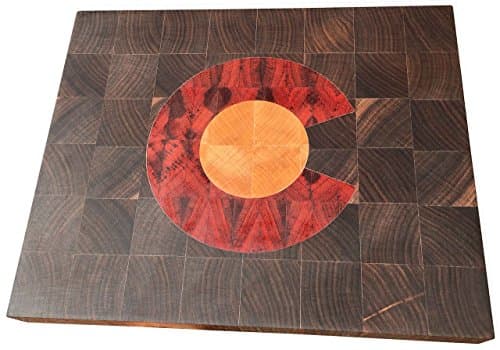
Handmade wood cutting boards
Eight boards from real workshops, with the grain question settled first.
Best board overall · Colorado End Grain Cutting Board
#ad · price as of October 25, 2026
Comparison
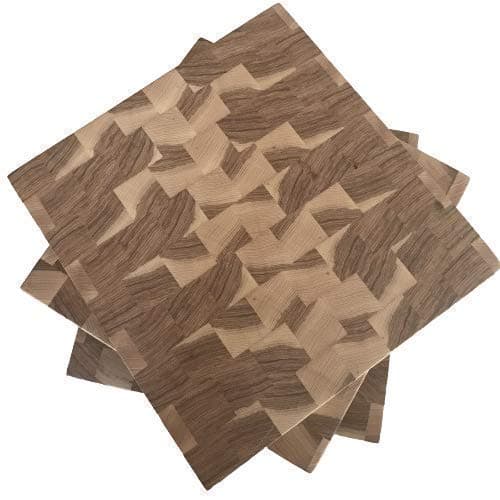
End grain vs edge grain
The construction difference, what it costs, and who should pay for it.
Best end grain · Colorado End Grain Cutting Board
#ad · price as of October 25, 2026
Comparison
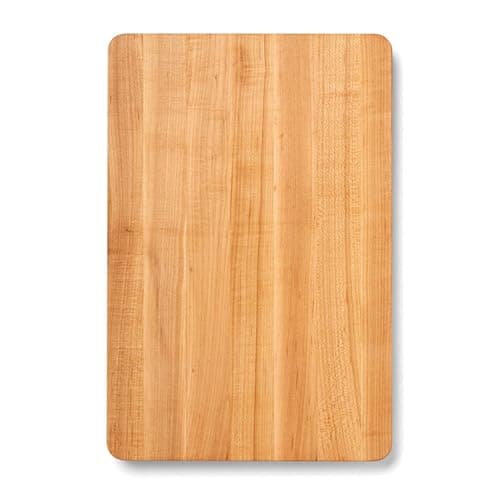
Maple, walnut, cherry — and what to avoid
Species by species: hardness, staining, aging, and the ones to avoid.
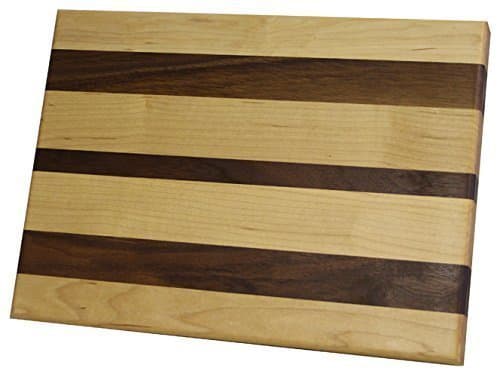
Best maple · John Boos Chop-N-Slice Maple Board
#ad · price as of October 25, 2026
Head to head
Wood vs plastic cutting boards
What the bacteria studies actually found, why the official advice still says nonporous, and why a scarred plastic board is the one to throw out.
Best wooden board for a working kitchen · Handcrafted Hickory End Grain Cutting Board
#ad · price as of October 25, 2026
Roundup
Personalized cutting boards
Engraved to order, and an honest account of what the engraving costs you.
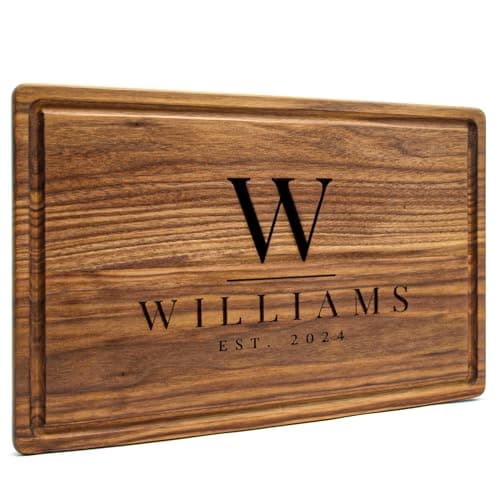
Best personalized board · Refine Kitchenware Monogrammed Board, USA Made
#ad · price as of October 25, 2026
Roundup
Charcuterie and cheese boards
Serving boards sized for a table, not a counter — plus what a set actually needs.
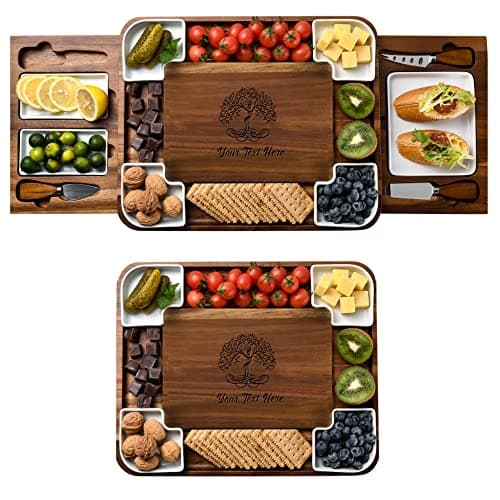
Best charcuterie board · Personalized Large Cheese Board
#ad · price as of October 25, 2026
Roundup
Charcuterie board gift sets
What belongs in the box, which sets include it, and the honest route for a set that is actually handmade.
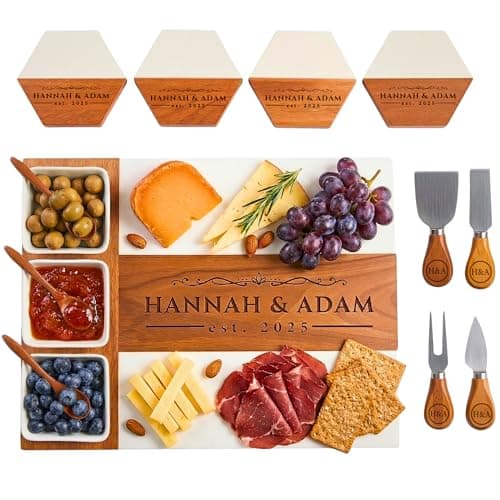
Best charcuterie board gift set · Shanik Personalized Charcuterie and Cheese Platter Set
#ad · price as of October 25, 2026
Roundup
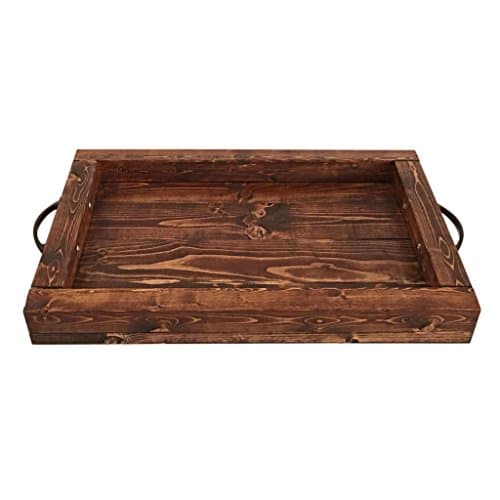
Serving boards and trays
Trays and handled boards — what they are actually for, and how big to go.
Best serving tray · Decorative Wooden Serving Tray with Handles
#ad · price as of October 25, 2026
Roundup
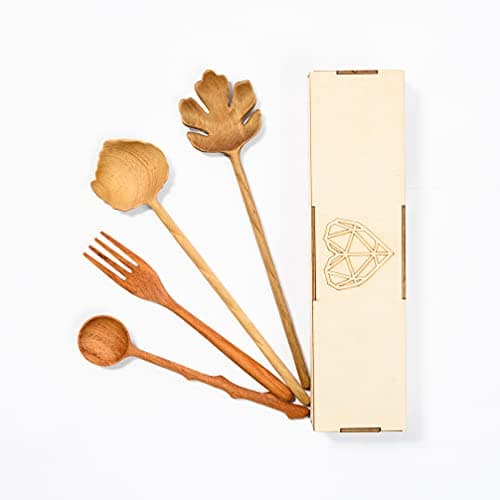
Wooden spoons and utensils
Sets, servers and one engraved spoon — plus the care mistake that splits them.
Best spoon set · JABIHOME Wooden Spoons and Forks, Set of 4
#ad · price as of October 25, 2026
Roundup
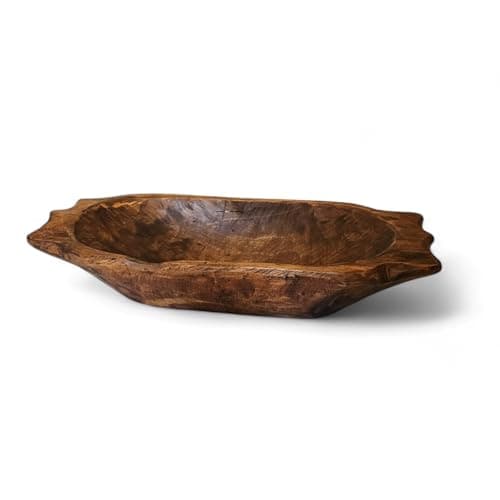
Wooden bowls and dough bowls
Turned, carved and one-of-a-kind — the least reproducible thing on the site.
Best wooden bowl · Ranch Junkie Big Horn Dough Bowl, 16.5 to 20 in
#ad · price as of October 25, 2026
Why a board is the safest handmade gift there is
It goes into any kitchen. It has no size to get wrong and no color to clash. It gets used rather than displayed, which is the difference between a gift someone likes and a gift someone keeps. And the handmade version is visibly different from the factory version in a way that a handmade candle, honestly, is not.
It is also the category where a small amount of knowledge changes the purchase most. Two boards at the same price can differ by a factor of three in how long they last and how they treat a knife edge, and the difference is entirely in the grain direction and the species — neither of which most listings lead with.
Grain direction, in one paragraph
In an edge-grain board the wood fibers run along the surface, so a knife cuts across them. In an end-grain board the fibers stand upright, so a knife slides between them and they close back up. That makes end grain gentler on an edge and more self-healing, and it makes it considerably more expensive to build because the maker is gluing up hundreds of small blocks rather than a few long strips. End grain vs edge grain is the full comparison.
Neither is wrong. An edge-grain board at forty dollars is a good buy; an edge-grain board at a hundred and forty dollars marketed as heirloom is not. What you are paying for at the high end is end grain, thickness and a species that behaves.
Species, and what actually matters
Hard maple, black walnut and cherry are the three that turn up constantly, and there is a reason: they are closed-grain hardwoods, dense enough to resist knife scarring and tight enough not to trap food in open pores. Maple is the palest and hardest, walnut the darkest and slightly softer, cherry the middle option that darkens noticeably with age. Bamboo is technically a grass, harder than all three, and rougher on knives. Cutting board wood types covers the trade-offs properly.
The part people get wrong
The dishwasher. A hardwood board in a dishwasher goes through a hot soak and a hot dry cycle, the wood swells and shrinks unevenly, and the glue joints separate. It does not always happen on the first pass — which is worse, because the recipient concludes it is fine and keeps doing it. This single mistake accounts for most dead handmade boards, and it is why we send every board buyer to wooden cutting board care and how to oil a cutting board.
If you are giving a board, consider giving a small bottle of board conditioner with it. It costs about fifteen dollars, it makes the gift look considered rather than singular, and it materially changes whether the board is still in use in five years.
Beyond boards
Woodcraft goes further than the board section suggests. Wooden bowls are turned rather than glued up, which is a genuinely different craft and produces objects with no straight lines anywhere — and they have their own care routine, in wooden bowl care. Spoons and utensils are the cheapest way to put real handmade wood into a kitchen. And serving boards and trays are the ones with handles, which sounds trivial and is the difference between a board that gets carried to a table and one that stays by the sink. If the gift has to arrive complete rather than bare, charcuterie board gift sets ranks the kitted boxes on what is actually in them — and says plainly which of them are factory-made.
Two pages approach this category from outside it. 5th anniversary wood gifts is the occasion where the material is prescribed, so it sorts these objects by species and by where the engraving can safely go. And gifts for woodworkers is the opposite problem — buying for the person who makes this stuff, where almost everything on this hub is the wrong answer.
Questions people actually ask
End grain or edge grain, if I only remember one thing?
Is bamboo a good cutting board?
How often does a board need oiling?
Also worth a look
Care
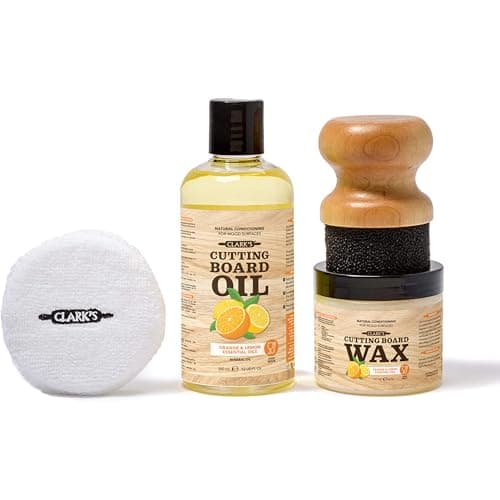
Wooden cutting board care
The four-minute routine that decides whether a board lasts one year or thirty.
For an interest
Handmade gifts for home cooks
The pieces a serious kitchen is missing, not the ones it already has.
Occasion
Handmade housewarming gifts
For a home you have not stood in — kitchen first, decor last.