Giving
Wrapping a handmade gift
The wrapping on a handmade object has one job: not to contradict it. Foil and cartoon print do exactly that.
We earn a commission when you buy through our Amazon links, at no extra cost to you. It never changes the order of the picks, and we say so when the cheaper thing is the better buy. How this works.
Every pick below is on Amazon Handmade unless the card says otherwise, and every price is the live one. If you want the rules we apply before anything gets listed, they are on how we pick.
The short answer
Quick picks
| # | Product | Best for | Provenance | Price |
|---|---|---|---|---|
| 01 |  Moonlight Makers Flour Sack Kitchen Towel Hand-printed cotton flour sack — genuinely absorbent, unlike most printed towels. | the host gift you hand over at the door with a bottle | Amazon Handmade | $15.95Amazon (affiliate link) |
| 02 | 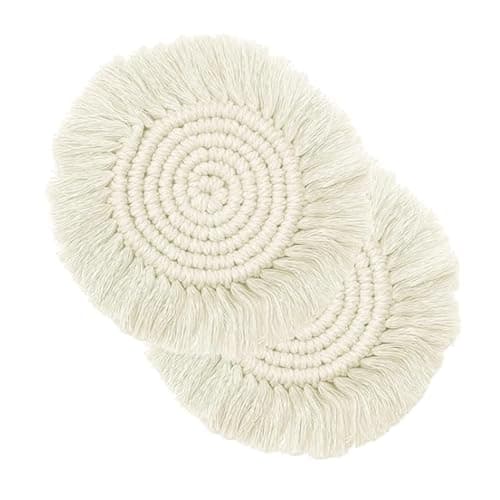 Woven Macrame Cotton Coasters, Pair Nine dollars for two hand-knotted cotton coasters — the cheapest way to finish a gift box. | adding something soft to a gift that is all wood and ceramic | Amazon Handmade | $8.99Amazon (affiliate link) |
#ad · Live prices from the Amazon Creators API, as of October 25, 2026. Where we hold no verified live price we show none — a gap beats a number that has rotted.
The picks, in full
Moonlight Makers Flour Sack Kitchen Towel
by Moonlight Makers
For wrapping a board or a jar in something the recipient keeps. Hand-printed cotton flour sack — genuinely absorbent, unlike most printed towels.
Flour sack cotton is the only kitchen towel material that actually dries a glass rather than pushing water around it, and most printed novelty towels are not flour sack. This one is, and it is screen-printed by a small US studio rather than sublimated in bulk. Sixteen dollars, folds flat into a card envelope.
Price as of October 25, 2026. Prices move, and the one on Amazon is the one that counts.
#ad we may earn a commission from this link to Moonlight Makers Flour Sack Kitchen Towel
Woven Macrame Cotton Coasters, Pair
For a pair of coasters under a mug, which turns one gift into two. Nine dollars for two hand-knotted cotton coasters — the cheapest way to finish a gift box.
A board, a mug and a candle is a good gift box and a hard one; it is all hard edges. Two cotton coasters change the texture for under ten dollars. Absorbent and washable, unlike cork or slate, which is the practical argument for cotton coasters generally.
Price as of October 25, 2026. Prices move, and the one on Amazon is the one that counts.
#ad we may earn a commission from this link to Woven Macrame Cotton Coasters, Pair
The principle
A handmade object arrives with a set of expectations attached: that somebody chose the material, that the surfaces were finished by hand, that nothing about it was automated. Metallic foil paper contradicts every one of those signals in the two seconds before the box opens.
You do not need to be good at wrapping. You need the materials to be quiet. Kraft paper, plain tissue, cotton twine, a sprig of something. Every one of those is cheap, forgiving of clumsy corners, and photographs well, which matters more than it should because a meaningful number of these get photographed.
The fabric method, which is the best one
Wrap the gift in a cloth that is itself part of the gift. A flour sack towel around a cutting board; a linen napkin around a jar candle; a small throw around anything box-shaped. The technique is the Japanese furoshiki idea and it needs no skill: lay the cloth flat on a diagonal, set the object in the middle, bring two opposite corners over it and knot, then bring the other two over and knot again.
It solves three problems at once. Nothing is thrown away, the wrapping is a second gift, and a board wrapped in a towel is much easier to make look good than a board wrapped in paper — boards are heavy, angular and terrible at holding a crease.
Materials, ranked
- Kraft paper and cotton twine
- The default. Cheap, matches every craft on this site, and hides bad corners better than glossy paper does. A stamp or a hand-written name is enough decoration.
- Plain tissue in one color
- For soft or awkward items — knits, soap sets. Two or three sheets, gathered rather than folded.
- Fabric
- Best in class, per above. A towel, napkin or scarf that stays with the recipient.
- A plain rigid box
- Worth it for ceramics and glass, which are the two categories where the wrapping is also protection. Tissue inside, paper or fabric outside.
- Foil, glitter and character print
- Actively works against a handmade gift. Glitter paper is also not recyclable, which is an odd note to end a handmade present on.
Ceramics, glass and the things that break
Most handmade pottery arrives well packed because the maker has learned the hard way. Keep that packaging until you have wrapped it, and reuse the inner protection inside your own box rather than discarding it and wrapping a bare mug in tissue.
- Wrap the piece itself in tissue or a cloth, not directly in paper.
- Put it in a rigid box with something soft at the base — the maker's own padding is ideal.
- Wrap the box, not the object. A wrapped mug shows every contour and one knock chips a handle.
- Do not put a hand-thrown piece in a gift bag with nothing under it. It is the most common way these arrive broken.
The note is not optional
This is the part that most affects how a handmade gift lands, and almost nobody does it. Write two lines: who made it, and how to look after it.
Most recipients have never been told that a wooden board must not go in the dishwasher, that a wick wants trimming to a quarter inch, or that a hand-thrown mug is usually fine in the microwave but happier out of the dishwasher. Without that, an expensive gift quietly gets ruined in the first month and nobody ever tells you.
The care guides here are written to be summarized in a sentence: wooden cutting board care, handmade pottery care, leather care, wool and fiber care and why candles tunnel. Take the first line of the relevant one and put it on the card.
If you are giving more than one thing
Wrapping several small items separately reads as more generous than one large parcel, and it takes the same amount of paper. If that is where you are headed, building a handmade gift box covers how to combine pieces so they look like a set rather than a pile.
Questions people actually ask
What is the best way to wrap a handmade gift?
How do I wrap a cutting board?
How should I wrap handmade pottery so it does not break?
What should I write on the card?
Read next
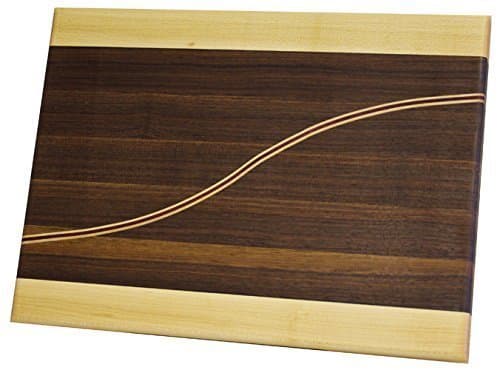
Gift strategy
Building a handmade gift box
The anchor, companion and consumable formula for a handmade gift set that reads as chosen.
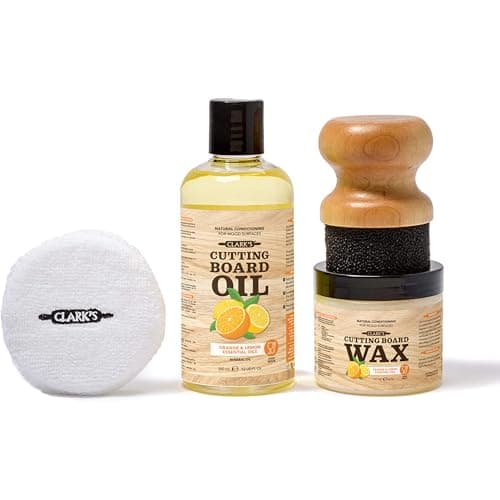
Care
Wooden cutting board care
The four-minute routine that decides whether a board lasts one year or thirty.
Care
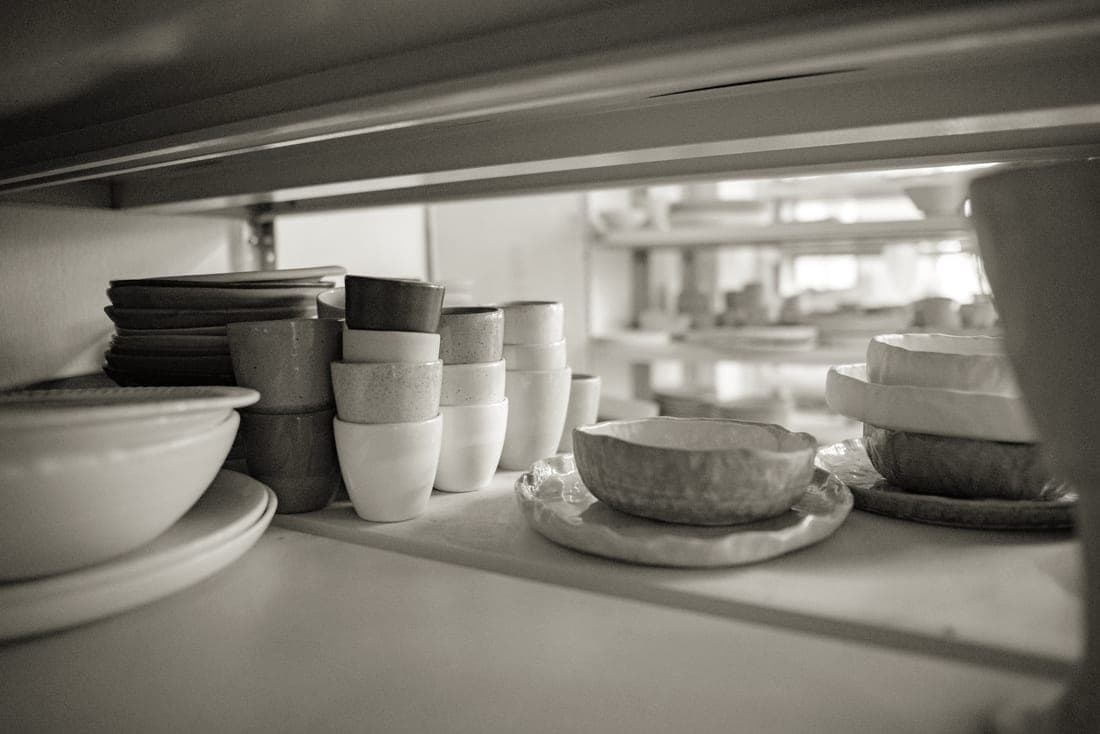
Handmade pottery care
Microwave, oven and dishwasher — answered per glaze rather than in general.
Fiber
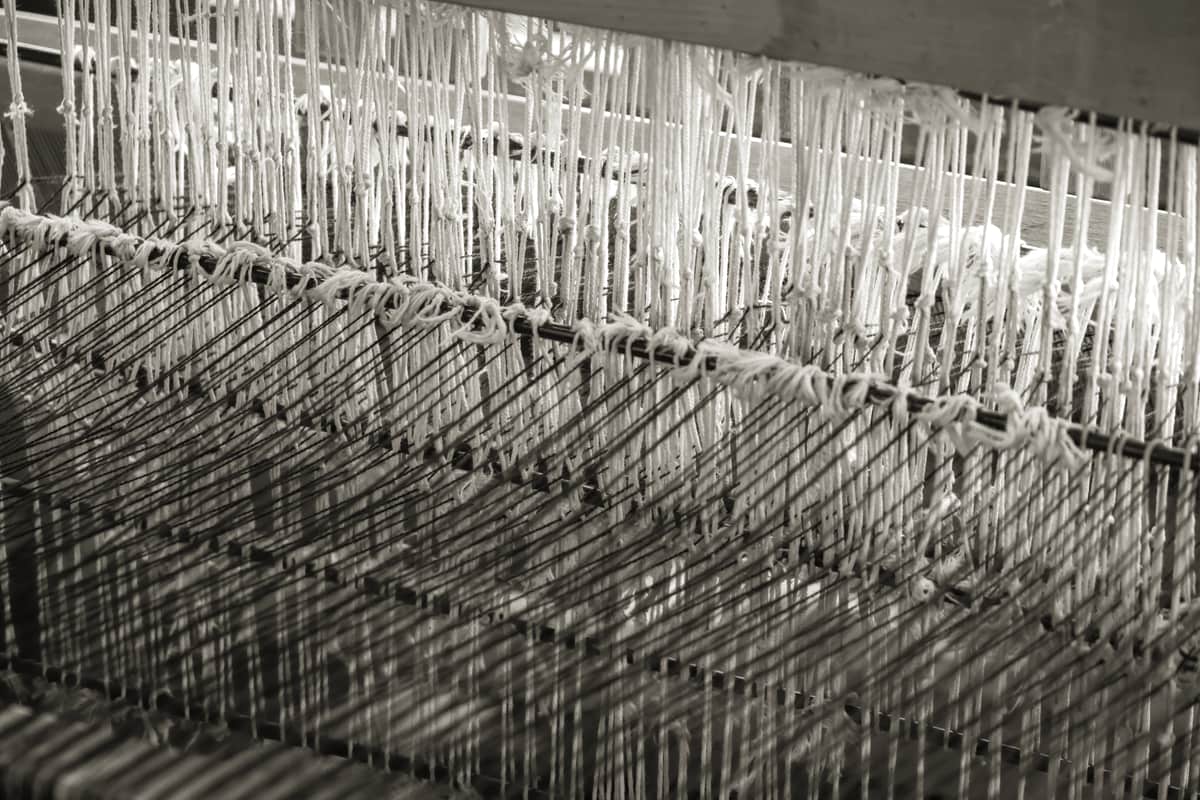
Fiber and textiles
Woven, knotted, quilted — and how to tell each from a printed imitation.
Occasion
Handmade Christmas gifts
The Q4 guide, with the ordering deadlines that actually apply to handmade.
Gift strategy
Last-minute handmade gifts
The one rule that decides whether a handmade gift arrives in time, and the picks that ship fast.