Care
Wool and fiber care
One hot cycle turns a two-hundred-dollar blanket into a doll's blanket, and there is no way back from it.
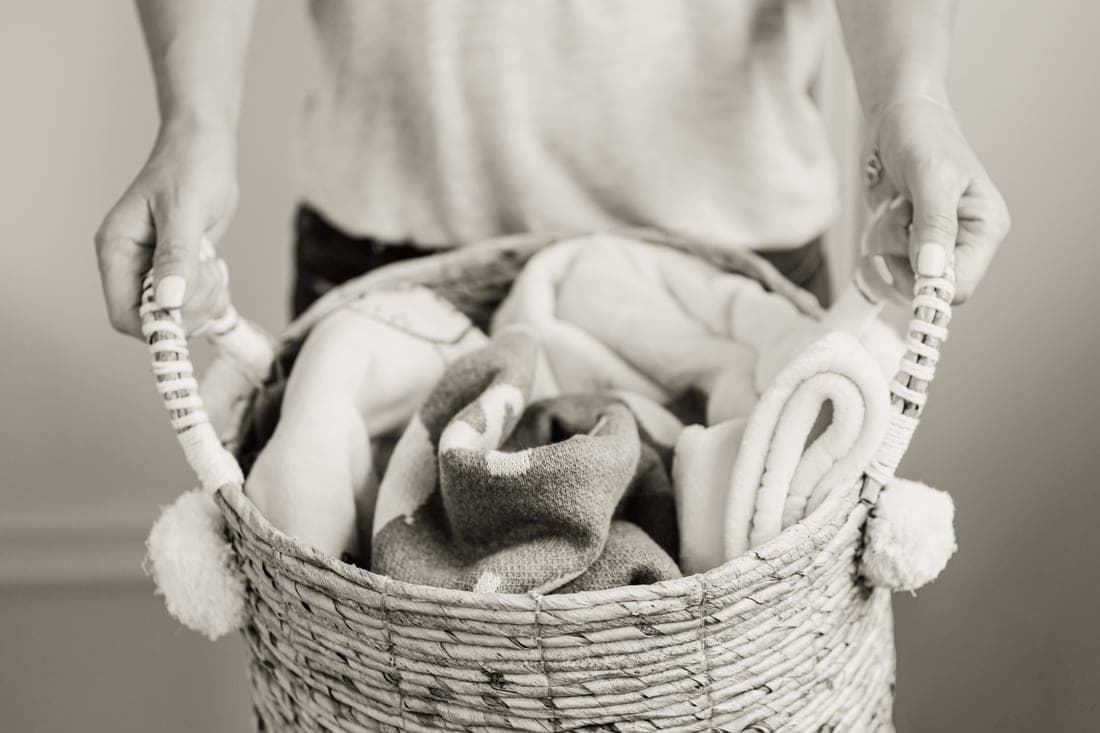
We earn a commission when you buy through our Amazon links, at no extra cost to you. It never changes the order of the picks, and we say so when the cheaper thing is the better buy. How this works.
What felting is, and why it cannot be undone
A wool fiber is covered in microscopic overlapping scales. Heat opens them, moisture makes them mobile, and agitation makes them ratchet past each other and lock. Once locked, they do not unlock. The fabric becomes denser, thicker and smaller, permanently.
That is felting, and it is why a wool blanket in a normal machine cycle comes out as a stiff mat two-thirds of its original size. There is no treatment that reverses it. This single mechanism accounts for almost every ruined handmade blanket.
How to wash wool and alpaca
- Cold or lukewarm water. Never hot. Consistent temperature matters as much as the temperature itself, so do not rinse hot then cold.
- A wool-specific detergent, or a very small amount of gentle detergent. Ordinary detergents contain enzymes designed to break down protein — and wool is protein.
- Submerge and press gently. No rubbing, no wringing, no swirling. Agitation is the enemy, not water.
- Rinse at the same temperature until the water runs clear.
- Press the water out against the side of the basin, or roll it in a towel and press. Never wring.
- Dry flat, out of direct sun, reshaping it while damp. Hanging a wet wool blanket stretches it out of shape under its own weight.
A machine with a genuine hand-wash or wool cycle and a low spin can work, but read the blanket's own label first — and if it is a handmade piece with no label, do it by hand.
The thing that matters more than washing
Wash it less. Wool is naturally antimicrobial and resists odor far better than cotton, which is why wool garments are famously worn many times between washes. A blanket that is aired outside on a dry day for a few hours comes back fresh without any of the risk.
Airing does most of what washing does, for most of the year. Spot-clean a mark rather than washing a whole blanket for it.
Cotton is the easy one
Handwoven cotton throws are machine washable in cold or warm water on a normal cycle, and this is a large part of why cotton is the right choice for a gift going to a household that puts everything in the machine.
Two cautions. Cotton shrinks slightly on the first wash, which is normal and is more noticeable on a loose handwoven weave. And hot water fades dyed cotton faster, so cold is better for anything with strong color. Handwoven throws covers the fiber choice.
Pilling, and how to fix it
Pills are short fibers working loose and tangling into balls at friction points. It is not a defect and it is not a sign of poor quality — softer, loftier yarns pill more precisely because the fibers are less tightly bound, which is the same property that makes them feel good.
The fix is a fabric shaver or a sweater comb, used gently. Most pilling happens in the first few uses and then settles down substantially once the loose fibers have gone. Do not pull pills off by hand — it drags the fiber out of the weave.
Moths
Clothes moth larvae eat protein fibers — wool, alpaca, silk, cashmere. They will not touch cotton. They are attracted to soiled fibers, particularly anything with body oils or food traces on it, which is why storing a blanket unwashed at the end of a season is the highest-risk thing you can do.
Clean before storing, store in a sealed bag or box rather than an open shelf, and use cedar or lavender if you like — both are mild deterrents rather than treatments. Freezing an infested item for seventy-two hours kills the larvae, which is a genuinely effective remedy and a useful thing to know.
Quilts specifically
Wash a quilt as rarely as you can manage. The failure mode of a quilt is not fabric wear, it is the stitching working loose and the batting shifting inside — and every wash cycle contributes to that. Cold, gentle, line dry.
Never dry-clean a hand-stitched quilt without checking with the maker: the solvents can damage older fabrics, and salvage textiles like kantha are made of fabric with a history nobody has documented. Handmade quilts has more.
Questions people actually ask
How do I wash a wool blanket?
What happens if wool goes in a hot wash?
Is pilling a sign of poor quality?
How do I protect wool from moths?
Read next
Roundup
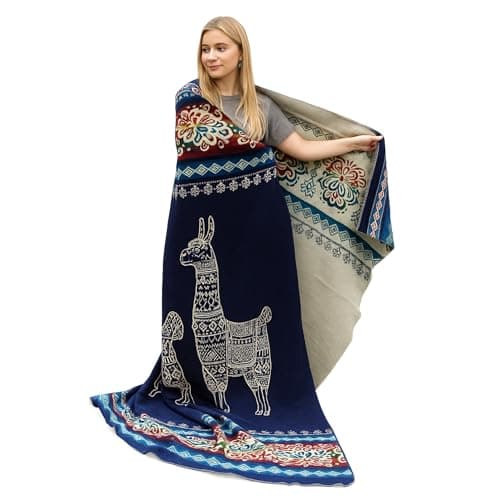
Knit blankets and throws
Alpaca and crochet, plus an honest account of what this marketplace does not have.
Roundup
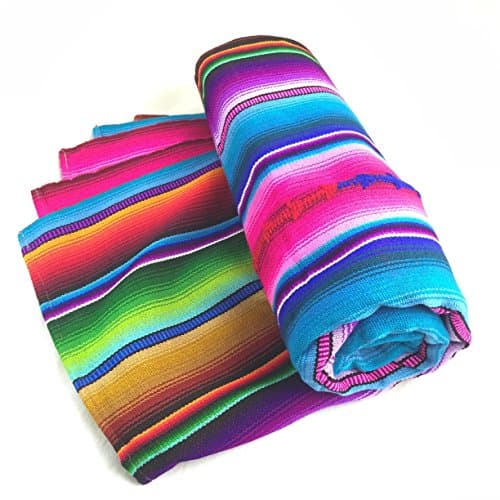
Handwoven throws
Loom-woven cotton and alpaca, and the back-of-the-fabric test.
Roundup
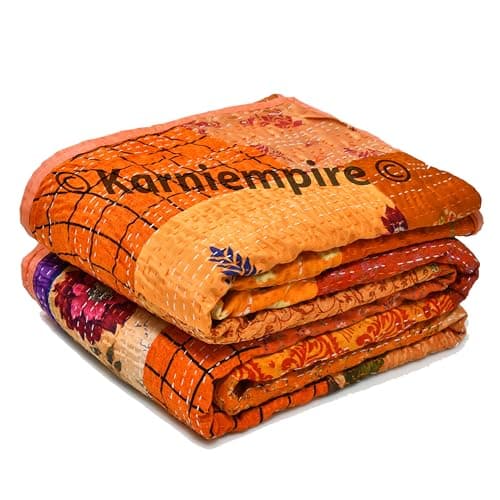
Handmade quilts
Kantha, patchwork and one quilted bag — with the printed-coverlet test.
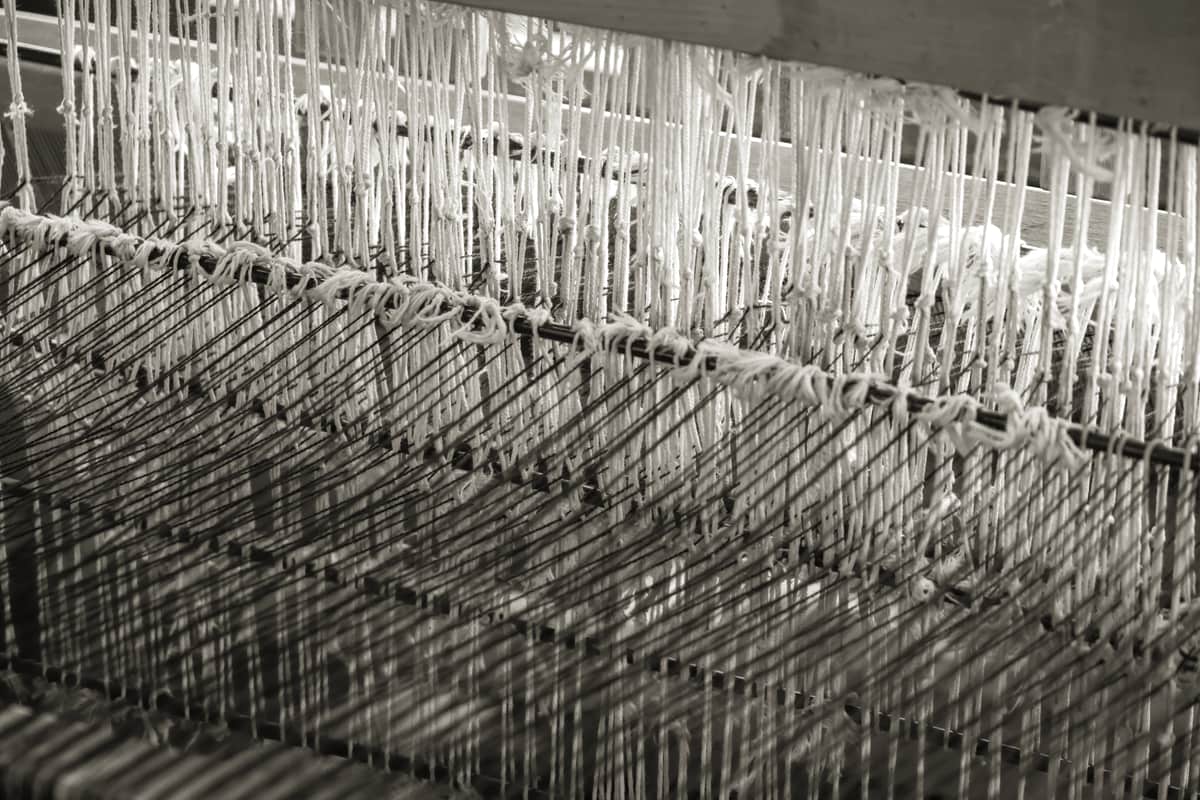
Fiber
Fiber and textiles
Woven, knotted, quilted — and how to tell each from a printed imitation.
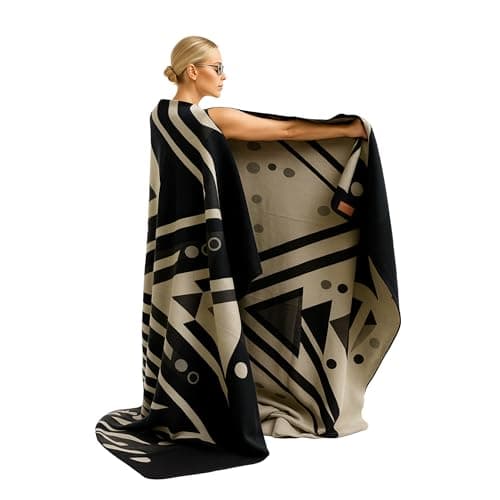
For a person
Handmade gifts for mom
Past the candle-and-spa-set default, into things she will actually use.
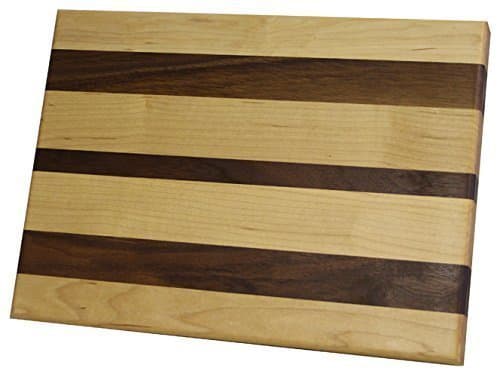
Occasion
Handmade housewarming gifts
For a home you have not stood in — kitchen first, decor last.