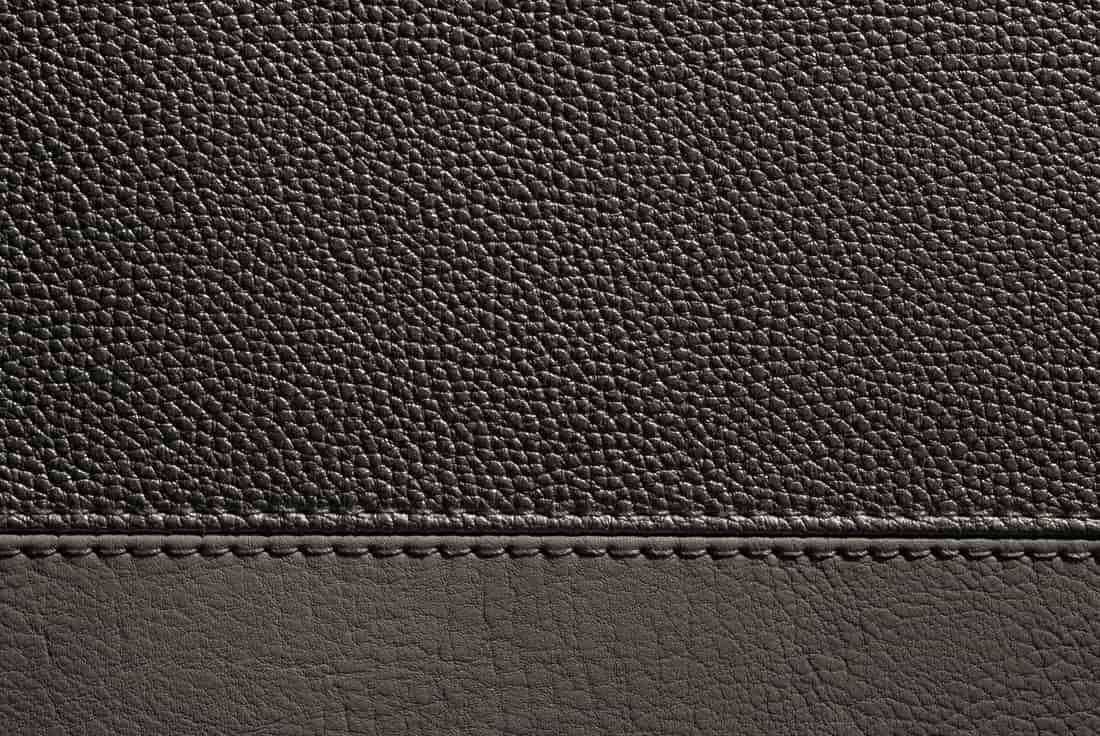
Leather
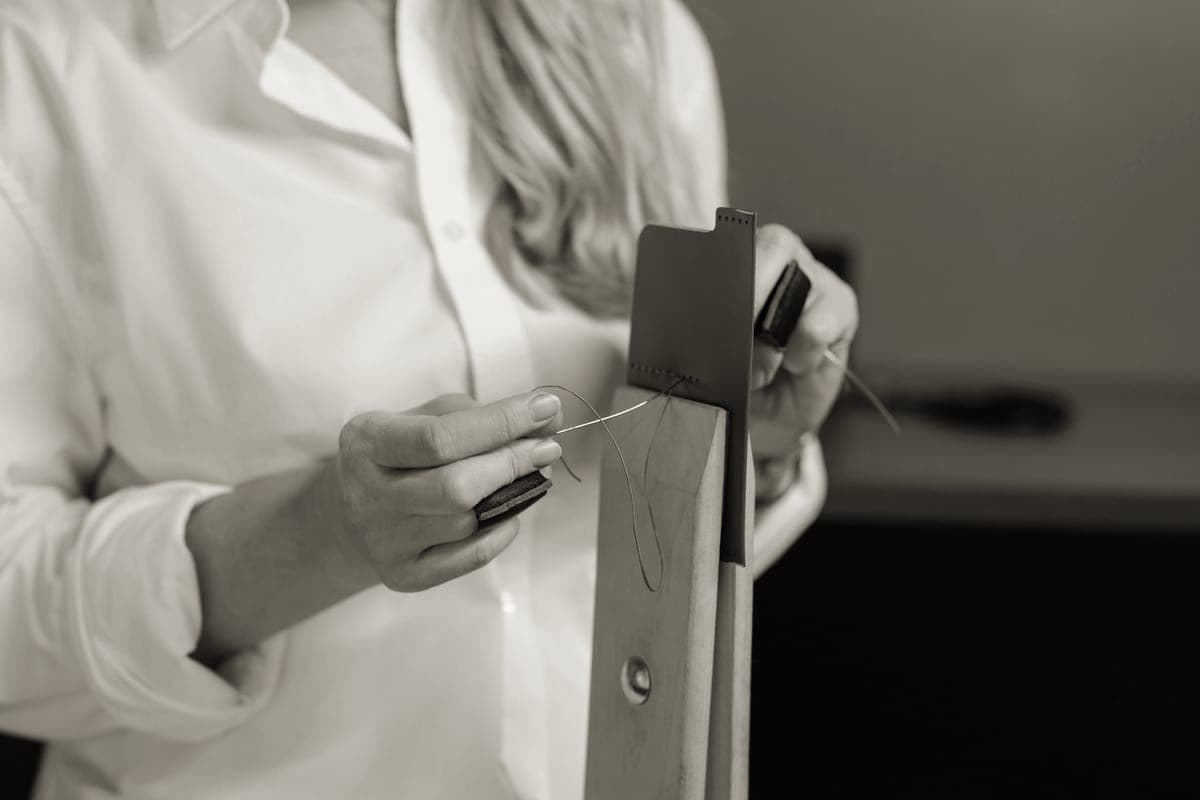
Handmade leather goods
The one category where the grade language is systematically misleading, and it is worth ten minutes to learn.
We earn a commission when you buy through our Amazon links, at no extra cost to you. It never changes the order of the picks, and we say so when the cheaper thing is the better buy. How this works.
In this category
Roundup
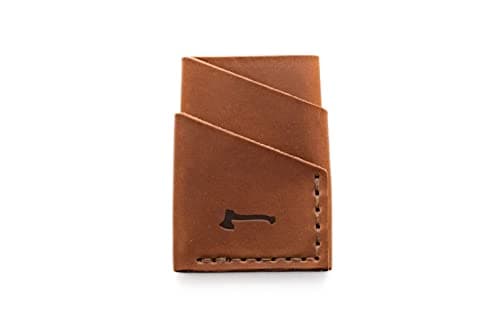
Handmade leather wallets
Full grain and hand-stitched, from slim card holders to conventional bifolds.
Best leather wallet · Craft & Lore Port Wallet
#ad · price as of October 25, 2026
Comparison
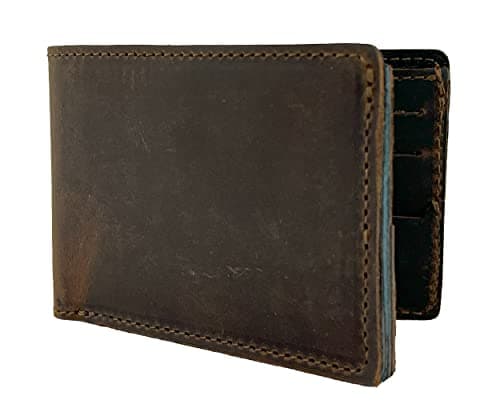
Card holder vs bifold vs money clip
Card holder, slim wallet, bifold, flap or money clip, matched to what the person actually carries.
Best bifold · Anthology Gear Full Grain Bifold
#ad · price as of October 25, 2026
Roundup
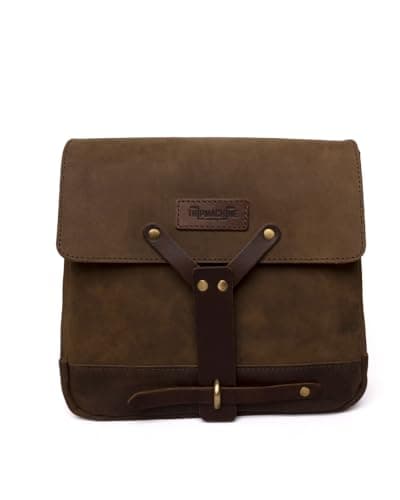
Handmade leather bags
Messengers, slings, totes and the twenty-dollar dopp kit that beats all of them on value.
Best leather bag · Full Grain Leather Messenger Bag
#ad · price as of October 25, 2026
Roundup
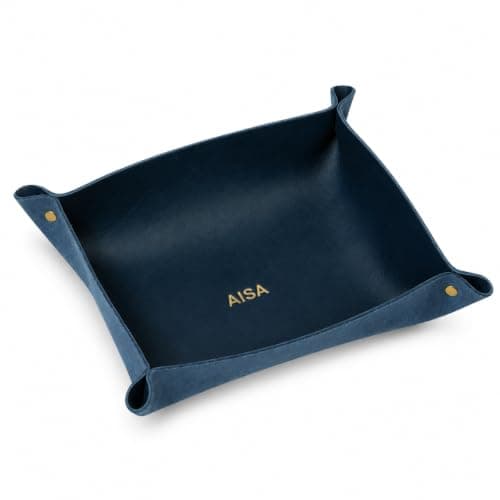
Leather valet trays
The safest under-thirty gift there is, and the one that works in bulk.
Best valet tray · Northwind Personalized Full Grain Valet Tray
#ad · price as of October 25, 2026
Roundup
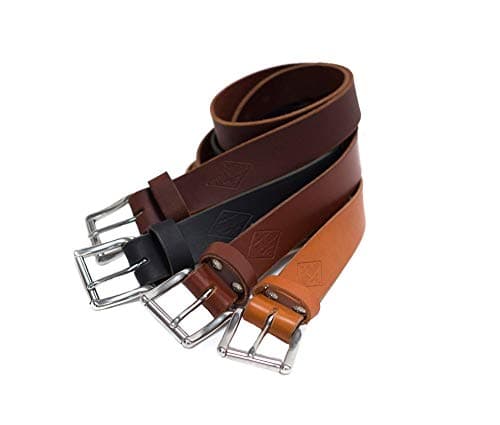
Handmade leather belts
Single-piece belts that do not curl, and how to size one without asking.
Best leather belt · Arizona Full Grain Belt with Lifetime Guarantee
#ad · price as of October 25, 2026
Roundup
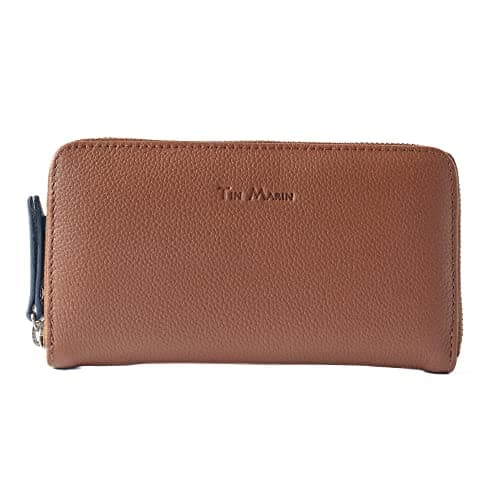
Handmade leather wallets for women
Continental, bifold, wristlet and card-holder formats from Handmade makers, with the bag measurement first.
Best women's leather wallet · Camila Large Continental Wallet, Tan
#ad · price as of October 25, 2026
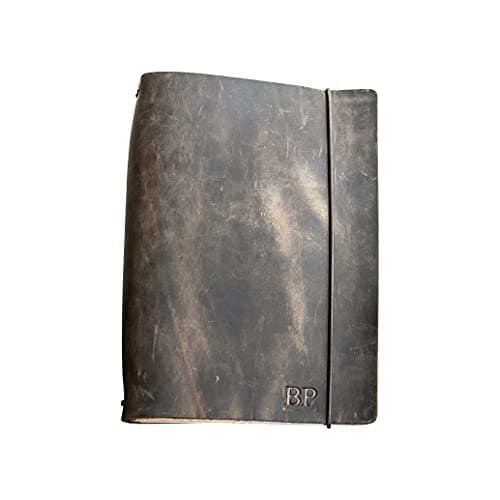
Roundup
Leather journals and notebook covers
Refillable covers and journals, and the sizing check that decides whether it fits.
Best leather journal · Ox & Pine Refillable Full Grain Journal
#ad · price as of October 25, 2026
Genuine leather is a grade, and it is not a good one
This is the single most useful thing on this page. In the leather trade, genuine leather is not a quality assurance — it is a specific grade below full grain and top grain, made from the lower layers of the hide after the strong outer surface has been split off. It is real leather in the sense that it came from an animal. It is not the material people picture when a listing says genuine leather in bold.
The order, best to worst: full grain, top grain, genuine leather, bonded leather. Full grain keeps the outer surface of the hide intact, including its scars and pores, which is why it looks less uniform and why it gets better with use. Bonded leather is shredded scrap glued to a backing and printed with a grain pattern; it peels. Leather grades explained walks through all four with what each is appropriate for. Telling leather from plastic in the first place is covered in how to tell if leather is real.
What actually ages well
Full grain, and essentially nothing else. The reason full grain develops a patina is that its outer surface is intact and unsealed, so oils from your hands and exposure to light darken it unevenly over years. Top grain has been sanded and coated, which is why it stays looking new and then eventually looks worn rather than aged. If someone has told you leather gets better with age, they were talking about full grain.
This is why we lead with the grade on every card on leather wallets, handmade leather wallets for women and handmade belts. Where a listing only says genuine leather, our card says genuine leather too — we do not upgrade it, and where the item is still worth buying at its price we say why.
What to buy for whom
Two things that catch people out
Personalization removes returns on most leather listings, and it is applied by machine after the item is made, so a typo is permanent. Check the spelling twice — the listing will not check it for you. And made-to-order belts and bags carry lead times of one to three weeks, which is fine in March and a problem in December.
The other one: new full grain arrives stiff, dark and slightly unwelcoming, and it stays that way for weeks. If you are giving it to someone who does not know that, tell them, or the gift gets quietly shelved before it has had a chance to become the thing it turns into.
Keeping it alive
Leather needs less maintenance than the internet suggests. Conditioning two or three times a year is plenty for a wallet, and over-conditioning is a genuine problem — it softens the fibers and makes an item lose its shape. What actually kills leather is heat, standing water and being stored folded. Leather care covers the whole routine in about four minutes of reading.