Ceramics
Ceramics and pottery
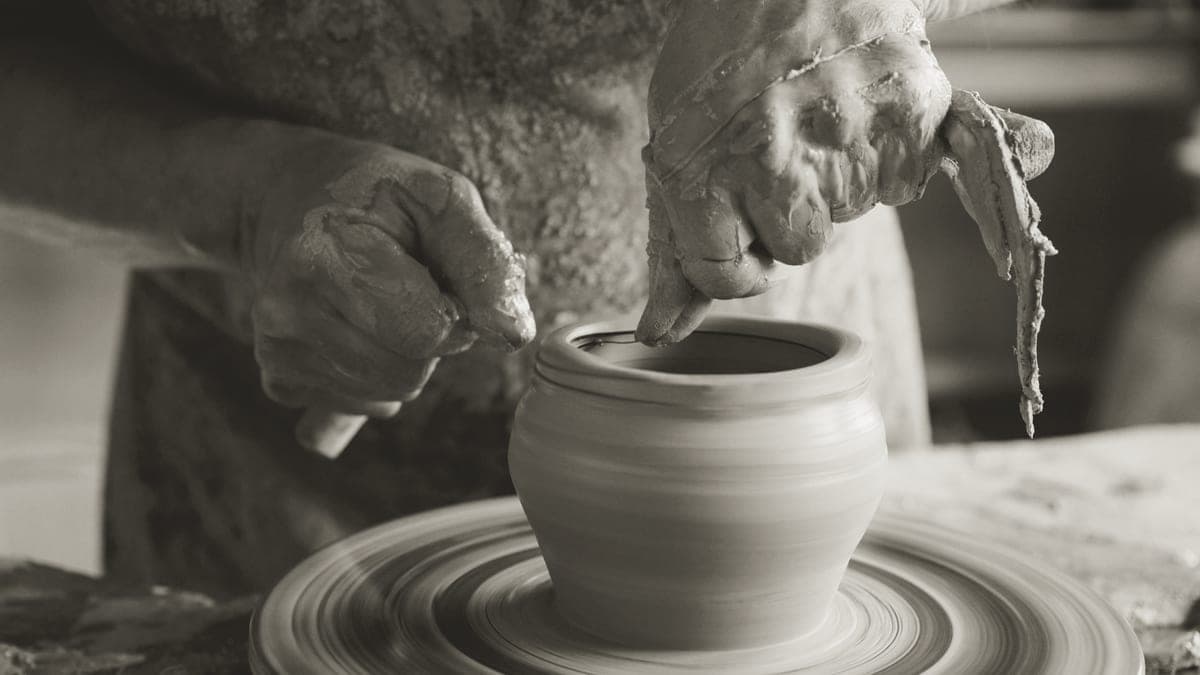
The glaze decides more than the clay does — including whether it survives your dishwasher.
We earn a commission when you buy through our Amazon links, at no extra cost to you. It never changes the order of the picks, and we say so when the cheaper thing is the better buy. How this works.
In this category
Roundup
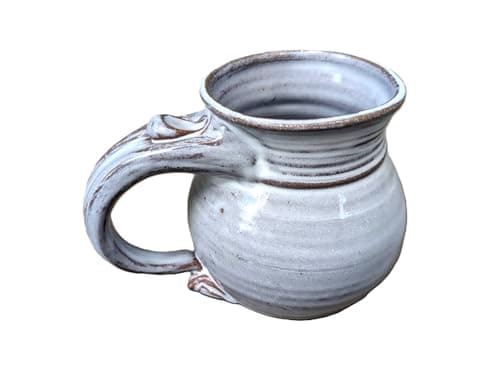
Handmade mugs
Wheel-thrown stoneware from working potters, and how to pick a size.
Best handmade mug · Hand-Thrown Pottery Mug in Shale
#ad · price as of October 25, 2026
Roundup
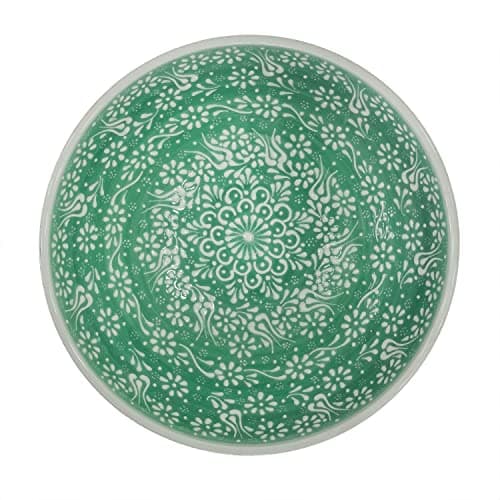
Handmade dinnerware
Serving pieces and accent bowls — how to add pottery without replacing everything.
Best handmade dinnerware · Embossed Relief Serving Bowl, 10 in
#ad · price as of October 25, 2026
Roundup
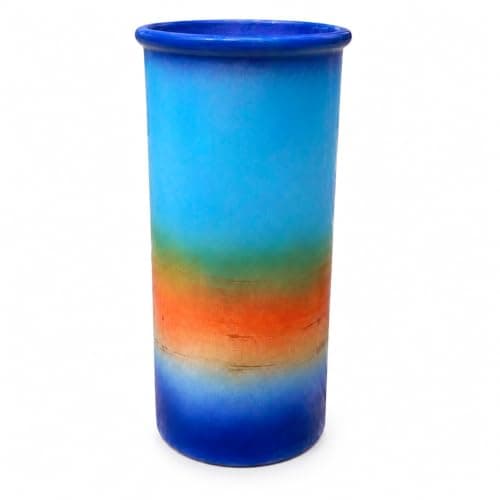
Handmade vases
Bud vases, statement pieces and planters, sized for real flowers.
Best handmade vase · Signed Ocean Blue Studio Vase, 9 in
#ad · price as of October 25, 2026
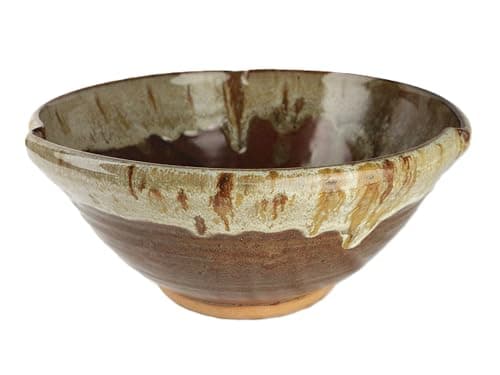
Roundup
Handmade bowls, from a serving bowl to a chawan
Serving bowls, soup bowls, a matcha chawan and multi-bowl sets from working potters, with the size question settled first.
Best handmade bowl · Hand-Thrown Salad and Serving Bowl in Brownstone
#ad · price as of October 25, 2026
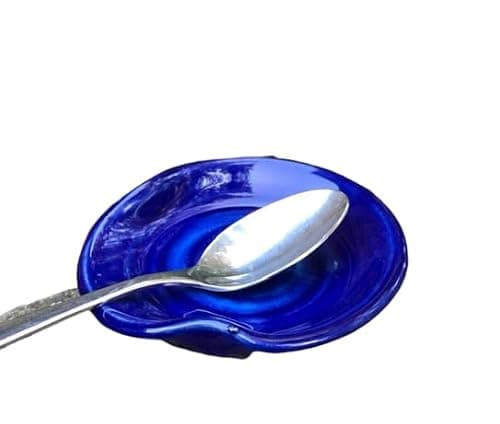
Comparison
Stoneware vs porcelain vs earthenware
How the three clay bodies differ in strength, porosity and care, and which one a handmade gift should be.
Best stoneware · Purple Heather Pottery Large Stoneware Spoon Rest, Sapphire Blue
#ad · price as of October 25, 2026
Why a hand-thrown mug costs forty dollars
Because someone centerd a lump of clay on a wheel, pulled the walls, let it dry to leather-hard, trimmed the foot, attached a handle they pulled separately, dried it again, fired it once, glazed it, and fired it a second time at temperatures over 2,000°F — and somewhere in that sequence a meaningful percentage of the batch cracked, warped or came out of the glaze firing wrong and went in the bin.
That is what the price is. It is not a markup for the word handmade; it is a genuine labor cost plus a genuine failure rate. A machine-cast mug involves none of it, which is why one costs four dollars and the other forty. Knowing that makes the forty-dollar mug feel like what it is, which is cheap for the hours in it.
Stoneware, earthenware, porcelain
- Stoneware
- Fired hot, dense, non-porous, chip-resistant. The default for handmade functional pottery and what almost everything on handmade mugs is made from. Usually dishwasher and microwave safe — but see below.
- Earthenware
- Fired cooler, more porous, more prone to chipping and to absorbing water through unglazed spots. Common in decorative pieces and in vases, less common in mugs.
- Porcelain
- Fired hottest, thinnest walls, translucent at the edges. Harder to throw, so rarer and more expensive from small studios.
The question that actually matters: the glaze
Whether a handmade mug can go in the microwave or the dishwasher is decided by the glaze, not the clay body — and it is the most common reason a gifted mug ends up on a shelf instead of in use. Two rules cover most cases. Any glaze containing metallic elements, most obviously gold or platinum lustre, must never go in a microwave; it will arc. And a crazed glaze, one with the fine crackle pattern some potters use deliberately, has microscopic cracks that hold water and will stain over time, which makes it a poor dishwasher candidate regardless of what the clay can take.
The listing should tell you. Where it does not, our product cards say so rather than guessing, and handmade pottery care covers how to work it out yourself. The same question decides the bowls, which is why handmade bowls repeats each maker's microwave and dishwasher claim on the card and stays silent where there is none.
Buying pottery as a gift
One mug is a smaller gift than it looks, and two is a considerably larger one — a pair reads as a set for a household rather than an object for a person, which is usually what you want for a wedding, a housewarming or a couple. If you are buying a single piece, buy the biggest version the maker offers; the difference between a 12 oz and a 16 oz mug is a few dollars and a completely different daily object.
The other thing worth knowing: handmade mugs are heavy. That is a feature for most people and a genuine problem for someone with arthritis or a weak grip, and it is worth thinking about before you buy for an older relative. In that case handmade dinnerware in a lighter form, or the loop-handle soup bowl on handmade bowls, is the better call.
Questions people actually ask
Can handmade pottery go in the dishwasher?
Why do two mugs from the same maker look different?
Is a handmade mug safe to drink from?
Also worth a look
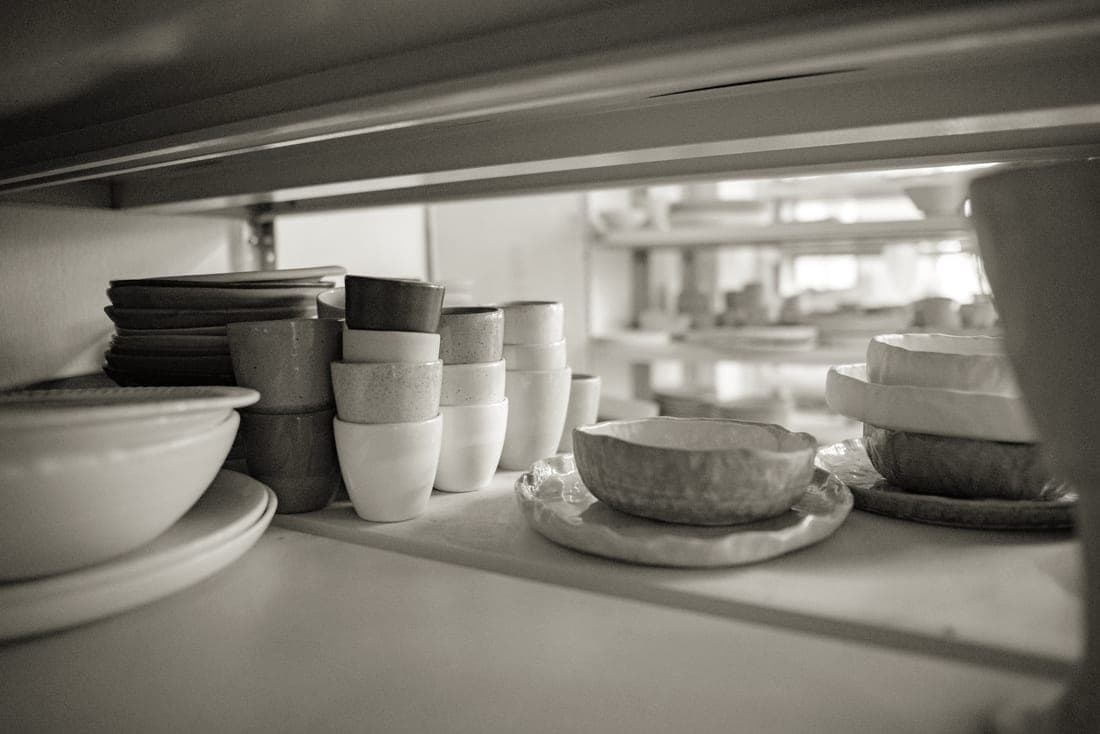
Care
Handmade pottery care
Microwave, oven and dishwasher — answered per glaze rather than in general.
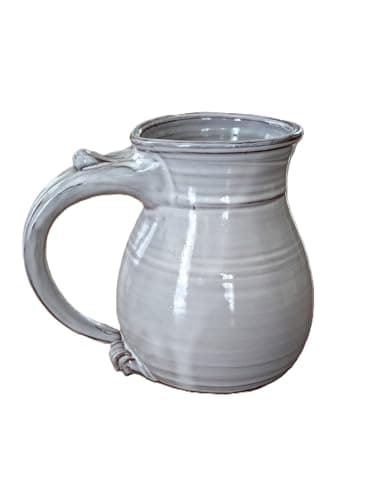
For an interest
Handmade gifts for coffee lovers
Mugs, spoon rests and trays — everything the coffee touches after it is made.
Occasion
Handmade housewarming gifts
For a home you have not stood in — kitchen first, decor last.