Comparison
Stoneware vs porcelain vs earthenware
Three clay bodies, fired at different temperatures, and the difference shows up in the dishwasher, on the kitchen floor and in the price.
We earn a commission when you buy through our Amazon links, at no extra cost to you. It never changes the order of the picks, and we say so when the cheaper thing is the better buy. How this works.
Every pick below is on Amazon Handmade unless the card says otherwise, and every price is the live one. If you want the rules we apply before anything gets listed, they are on how we pick.
The short answer
Quick picks
| # | Product | Best for | Provenance | Price |
|---|---|---|---|---|
| 01 | 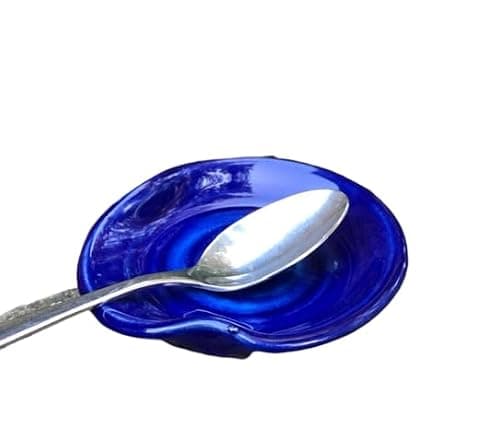 Purple Heather Pottery Large Stoneware Spoon Rest, Sapphire Blue A four-inch stoneware spoon rest from an Indiana studio, big enough for a ladle. | a stovetop, and the person who currently uses a saucer | Amazon Handmade | $25.00Amazon (affiliate link) |
| 02 | 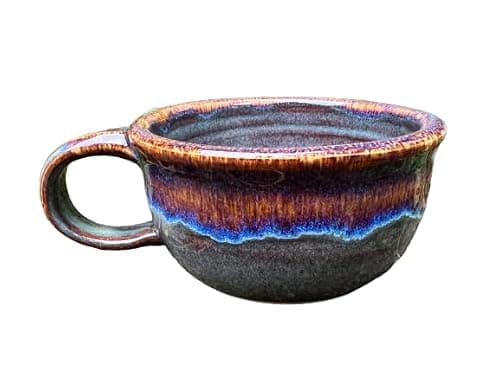 Handmade Stoneware Soup Mug, 12 oz A handled 12 oz chili bowl, which is a better object than it sounds. | someone who eats lunch at a desk | Amazon Handmade | $45.00Amazon (affiliate link) |
| 03 | 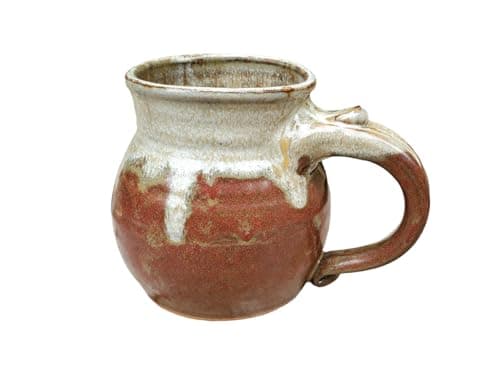 Hand-Thrown Coffee Mug in Brownstone The brown glaze from the same North Carolina wheel, for people who dislike gray. | a warmer color, for a kitchen that is already wood and brass | Amazon Handmade | $42.00Amazon (affiliate link) |
| 04 | 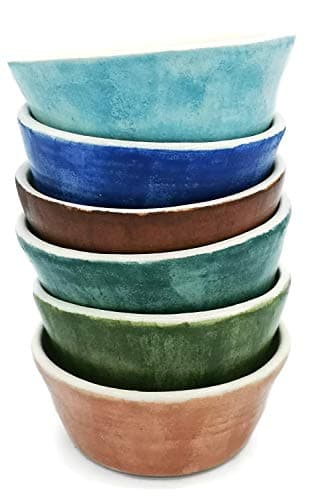 Ceramica Ana Rafael Small Pottery Bowls, Set of 6 Six wheel-thrown sauce bowls, one of each color, from a pottery studio in Portugal. | someone who serves small things: olives, dipping sauce, salt | Amazon Handmade | $65.00Amazon (affiliate link) |
| 05 | 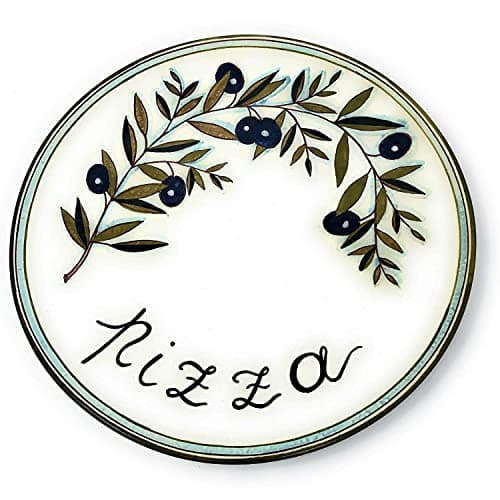 Ceramiche d Arte Parrini Italian Serving Set, Olives Pattern Hand-painted Tuscan majolica, made and painted in Italy, at Italian prices. | someone who cooks Italian food and means it | Amazon Handmade | $122.00Amazon (affiliate link) |
#ad · Live prices from the Amazon Creators API, as of October 25, 2026. Where we hold no verified live price we show none — a gap beats a number that has rotted.
The one we would not buy
Any piece described only as ceramic
Ceramic is the umbrella word for all three. A listing that will not say whether a piece is stoneware, earthenware or porcelain has not told you how it behaves in a dishwasher, a microwave or on a hard floor — which is the reason you are reading this page. Ask the maker, or buy the piece that says.
The picks, in full
Purple Heather Pottery Large Stoneware Spoon Rest, Sapphire Blue
by Purple Heather Pottery
For a piece that lives by the stove and goes in the dishwasher. A four-inch stoneware spoon rest from an Indiana studio, big enough for a ladle.
A spoon rest is the object people do not buy for themselves and use constantly once they have one. This one is made from stoneware clay in the maker's Indiana studio, and the listing states it is safe in the dishwasher, microwave and oven, which matters for a piece that lives beside a stove and gets sauce on it daily. Four inches across is large enough for a soup ladle, not only a teaspoon.
Price as of October 25, 2026. Prices move, and the one on Amazon is the one that counts.
#ad we may earn a commission from this link to Purple Heather Pottery Large Stoneware Spoon Rest, Sapphire Blue
Handmade Stoneware Soup Mug, 12 oz
For soup, chili or a big coffee, carried hot by the handle. A handled 12 oz chili bowl, which is a better object than it sounds.
A handled bowl is the most useful vessel in a kitchen and almost nobody owns one: it holds soup, chili, cereal or a large coffee, and the handle means you can carry it hot without a tray. Handmade stoneware, twelve ounces. This is the gift that quietly becomes the thing they use every day.
Price as of October 25, 2026. Prices move, and the one on Amazon is the one that counts.
#ad we may earn a commission from this link to Handmade Stoneware Soup Mug, 12 oz
Hand-Thrown Coffee Mug in Brownstone
by North Carolina pottery
For a warm-colored mug for a kitchen of wood and brass. The brown glaze from the same North Carolina wheel, for people who dislike gray.
Brownstone is the warm half of this maker range and it is the better choice against wood, copper or brass. Everything else about it matches the shale mug: hand-thrown, stoneware, and the same forty-two dollars. Pick on color alone, because there is nothing else between them.
Price as of October 25, 2026. Prices move, and the one on Amazon is the one that counts.
#ad we may earn a commission from this link to Hand-Thrown Coffee Mug in Brownstone
Ceramica Ana Rafael Small Pottery Bowls, Set of 6
by Ceramica Ana Rafael
For small dishes the maker states are dishwasher friendly. Six wheel-thrown sauce bowls, one of each color, from a pottery studio in Portugal.
Thrown on the wheel, kiln-fired, glazed and fired again per the listing, which is the full stoneware process rather than slip-cast ware with a glaze on top. At about two and a half inches across each bowl holds one thing — a dip, a pinch of salt, a few olives — and six of them cover a table. The maker states lead-free, food safe and dishwasher friendly, and the price is for the full set of six as shown.
Worth knowing first
One bowl of each color, and every set is thrown and glazed individually, so expect the colors to differ from the photo.
Price as of October 25, 2026. Prices move, and the one on Amazon is the one that counts.
#ad we may earn a commission from this link to Ceramica Ana Rafael Small Pottery Bowls, Set of 6
Ceramiche d Arte Parrini Italian Serving Set, Olives Pattern
by Ceramiche d Arte Parrini
For a hand-painted platter that comes out for occasions. Hand-painted Tuscan majolica, made and painted in Italy, at Italian prices.
Majolica is tin-glazed earthenware painted by hand before the second firing, and the tradition it comes from is several hundred years old. This is not a farmhouse-style print: the brushwork is done by a person and the variation between pieces proves it. It is the most expensive ceramic on the site and the one that most clearly is not from a factory.
Worth knowing first
Earthenware, hand-painted. Treat it as handwash-only unless the maker says otherwise.
Price as of October 25, 2026. Prices move, and the one on Amazon is the one that counts.
#ad we may earn a commission from this link to Ceramiche d Arte Parrini Italian Serving Set, Olives Pattern
The short version
All three are ceramic: clay, shaped, then fired in a kiln. What separates them is the clay body and how hot it is fired, and that decides how dense, how strong and how porous the finished piece is. For a gift that will be used every day, stoneware is the default. Porcelain is the refined, whiter version of the same idea and harder to make by hand. Earthenware is fired lower, softer and more porous, and it is where much of the painted, colorful tradition lives.
Stoneware: the default for things that get used
Stoneware is fired hot enough that it partly vitrifies — glass forms inside the body and binds it — which makes it dense, strong and durable enough for functional ware. It is also the more forgiving body to throw on a wheel, which is why most handmade mugs, bowls and plates are stoneware, including every mug in our handmade mugs roundup.
What stoneware does not guarantee is that a particular piece is dishwasher or microwave safe. The clay body can take it; the glaze, and any metallic decoration, decides. That is why the spoon rest on this page is a useful reference: its maker states dishwasher, microwave and oven in writing. Handmade pottery care covers the two rules that apply to everything else.
Porcelain: finer, whiter and harder to make by hand
Porcelain is made from purer, whiter materials than stoneware — without the iron that colors stoneware gray and brown — and fired until it is fully vitreous and essentially non-porous. Thin porcelain can let light through. It is what fine tableware is made of for good reason.
It is also the hardest of the three to work on a wheel. Porcelain bodies tend to be less plastic than stoneware, which makes them less forgiving to throw and to trim, and that difficulty shows up in both the price and the scarcity of handmade porcelain. We do not currently list a porcelain piece, so this page does not recommend one; padding the list with a factory cup to fill the column would defeat the point of the comparison.
Earthenware: color, tradition and a softer body
Earthenware is fired at low temperatures, and its particles bond without the glass that fills the gaps in stoneware and porcelain. The result is more porous and weaker, so it should not be left soaking and it wants gentler handling. It does have one genuine technical advantage: it tends to cope with thermal shock better than the high-fired bodies.
It is also where much of the world's painted pottery lives. The Italian majolica tradition behind the serving plates on this page is tin-glazed earthenware painted by hand, which is why they are the most decorative ceramics on the site and the ones that most need care. Treat earthenware like that as something you bring out for the occasion, wash by hand unless the maker says otherwise, and store where it will not be knocked. The dinnerware roundup covers mixing it with everyday stoneware.
How to tell which one you are holding
Start with the listing. A maker who knows the clay body names it, because naming it answers the care question before you ask. If the listing only says ceramic, it has not told you how the piece will behave.
Then look at the foot — the unglazed ring on the base, where the bare clay shows. Earthenware there is often red or buff and feels more porous; stoneware tends toward gray, tan or brown and feels dense; porcelain is white and smooth. None of these is proof on its own, and some clay bodies blur the lines, but together with the listing they usually settle it. How to tell if pottery is handmade covers what else the foot gives away.
Which one to give
- Something used every day — a mug, a soup bowl, a spoon rest: stoneware, with the care stated on the listing.
- A table piece for occasions — a painted platter or serving set: earthenware, given with a note that it wants hand washing.
- Fine tea or a formal table: porcelain, from a maker who says so. We have none listed at the moment.
- Not sure: stoneware. It is the body most handmade functional pottery is made from, and it forgives the most.
Questions people actually ask
What is the difference between stoneware and porcelain?
Is stoneware better than earthenware?
Is stoneware the same as ceramic?
Can stoneware go in the dishwasher?
Sources
Read next
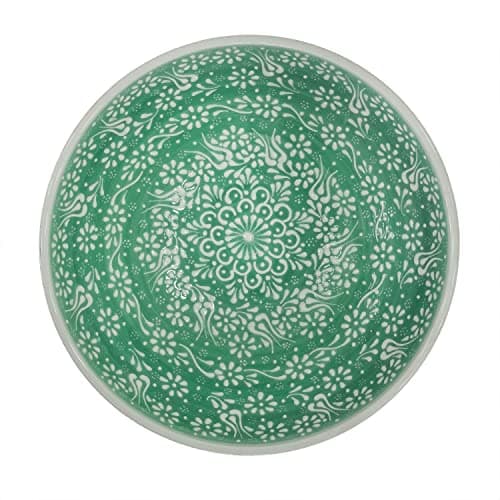
Roundup
Handmade dinnerware
Serving pieces and accent bowls — how to add pottery without replacing everything.
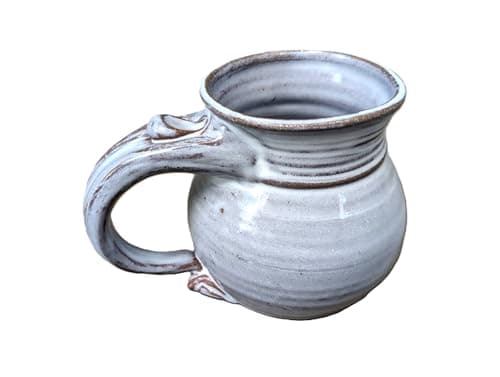
Roundup
Handmade mugs
Wheel-thrown stoneware from working potters, and how to pick a size.
Care
Handmade pottery care
Microwave, oven and dishwasher — answered per glaze rather than in general.
Buying handmade
How to tell if pottery is handmade
Throwing rings, the trimmed foot, pulled handles and mold seams: the signs of a thrown pot, and what a listing should show.
Ceramics
Ceramics and pottery
Wheel-thrown mugs, dinnerware and vases, and the glaze question that decides it.
For an interest
Handmade gifts for home cooks
The pieces a serious kitchen is missing, not the ones it already has.
Occasion
Handmade wedding gifts
For a pile of forty gifts — go large, dated and genuinely useful.