Buying handmade
Etsy alternatives
Six places to buy handmade that are not Etsy, and an honest account of what each one is actually good at.
We earn a commission when you buy through our Amazon links, at no extra cost to you. It never changes the order of the picks, and we say so when the cheaper thing is the better buy. How this works.
Every pick below is on Amazon Handmade unless the card says otherwise, and every price is the live one. If you want the rules we apply before anything gets listed, they are on how we pick.
The short answer
Quick picks
| # | Product | Best for | Provenance | Price |
|---|---|---|---|---|
| 01 | 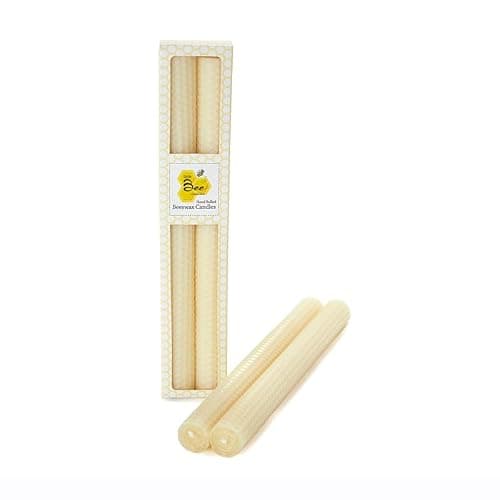 Little Bee of Connecticut Hand-Rolled Beeswax Tapers, 11 in Rolled from sheet wax by a Connecticut maker, so the honey smell is the wax itself. | the dinner table, and the person who notices what the room smells like | Amazon Handmade | $20.99Amazon (affiliate link) |
| 02 | 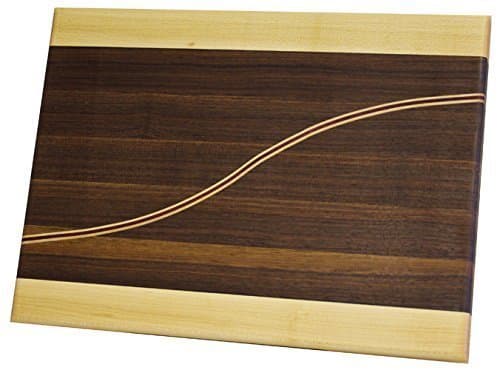 Walnut and Maple Board with Stripe, 10 x 14 in The size most people actually use, in the two-wood combination that never dates. | the everyday board that lives on the counter | Amazon Handmade | $90.00Amazon (affiliate link) |
| 03 | 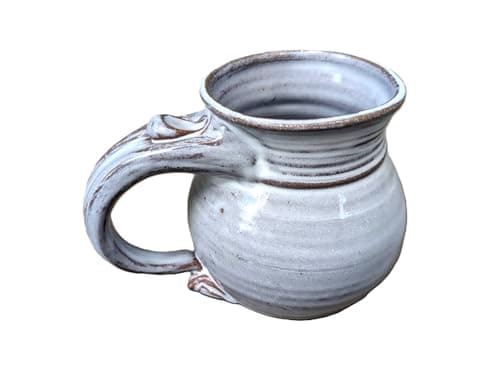 Hand-Thrown Pottery Mug in Shale Thrown on a wheel in North Carolina, and the throwing rings are still visible. | the person who has a favorite mug and defends it | Amazon Handmade | $42.00Amazon (affiliate link) |
#ad · Live prices from the Amazon Creators API, as of October 25, 2026. Where we hold no verified live price we show none — a gap beats a number that has rotted.
The picks, in full
Little Bee of Connecticut Hand-Rolled Beeswax Tapers, 11 in
by Little Bee of Connecticut
For the category where Handmade's maker roster is genuinely deep. Rolled from sheet wax by a Connecticut maker, so the honey smell is the wax itself.
Hand-rolled beeswax is the cheapest way to put a genuinely handmade object on a table, and a pair for about twenty dollars does not feel like a token. There is no fragrance oil in it. What you smell is the wax, which is why beeswax candles smell faintly of honey and paraffin candles smell of whatever was added to them. The listing states nine to ten hours per taper, so a pair burns through a long dinner with room to spare.
Worth knowing first
Tapers need a holder that grips. Beeswax is softer than paraffin and will lean in a loose socket on a warm table.
Price as of October 25, 2026. Prices move, and the one on Amazon is the one that counts.
#ad we may earn a commission from this link to Little Bee of Connecticut Hand-Rolled Beeswax Tapers, 11 in
Walnut and Maple Board with Stripe, 10 x 14 in
by Independent maker
For hardwood where the domestic economics actually favor a small shop. The size most people actually use, in the two-wood combination that never dates.
Ten by fourteen is the board that stays out. Anything larger gets put away and therefore does not get used, which is the quiet reason expensive big boards disappoint. Walnut and maple is the default pairing for a reason: maximum contrast, both woods hard enough for the job, and neither one exotic enough to be hard to replace.
Price as of October 25, 2026. Prices move, and the one on Amazon is the one that counts.
#ad we may earn a commission from this link to Walnut and Maple Board with Stripe, 10 x 14 in
Hand-Thrown Pottery Mug in Shale
by North Carolina pottery
For one potter's hand, obvious in the object. Thrown on a wheel in North Carolina, and the throwing rings are still visible.
A wheel-thrown mug is asymmetric in the way a hand is asymmetric: the walls vary slightly in thickness, the handle is pulled rather than molded, and you can feel the rings under your fingers. That is the whole difference between this and a mug from a supermarket, and it is the difference people notice every single morning. Shale is a muted gray-brown glaze that goes with everything.
Price as of October 25, 2026. Prices move, and the one on Amazon is the one that counts.
#ad we may earn a commission from this link to Hand-Thrown Pottery Mug in Shale
Why people look for alternatives
Three reasons come up repeatedly, and they are all reasonable. Fee increases and policy changes have made some makers vocal about the platform. The volume of drop-shipped and print-on-demand product has made the marketplace harder to search. And some buyers simply want to send more of the money to the maker.
This page is not a case against Etsy — it remains the largest handmade marketplace in the world and it is often the right answer. It is an account of what else exists and what each option is genuinely good at.
Amazon Handmade
Good for: predictable delivery and returns, and a marketplace-level prohibition on mass production that is checkable. Sellers apply and are reviewed before they can list at all.
Less good for: breadth. It is much smaller than Etsy and some categories are thin — hand-knitted blankets are a case we found directly. Amazon Handmade explained has the detail, and it is the marketplace this site is built on.
Buying direct from the maker
Good for: the maker, materially. No marketplace commission, no listing fees, and usually a direct line to the person if you want something adjusted. Many makers you find on a marketplace have their own site, and it is often cheaper there.
Less good for: recourse. You are buying from a small business with its own returns policy and its own payment setup, and if something goes wrong there is no marketplace arbitration. For a first purchase from an unknown maker, that risk is real.
The practical route: find the work on a marketplace, then search the maker's name and see whether they sell direct. It is the single most effective thing a buyer can do for a small maker.
Local craft fairs and markets
Good for: the only situation where you can hold the object before buying it, which resolves every question this site exists to answer indirectly. You also meet the person, which tells you more in thirty seconds than any listing does.
Less good for: everything else. Limited selection, no delivery, no way to plan around a deadline, and entirely dependent on what is happening near you this month.
Regional and craft-guild marketplaces
Good for: curation. Guild sites and regional craft associations typically vet their members, sometimes through a jury process, which is a genuinely higher bar than any general marketplace applies. If you want a specific craft done to a high standard, this is where to look.
Less good for: convenience and price. These are usually small operations with basic websites, longer lead times and prices that reflect a juried standard.
Museum and gallery shops
Good for: an editorial filter you can trust. A museum shop buyer has selected the work, and the selection is usually excellent. It is a good route for someone who wants a considered object without doing the research.
Less good for: price and provenance. Retail margins apply, and the maker is often not identified as clearly as on a marketplace listing.
What we would actually do
Use a marketplace to find the maker, then buy direct if they sell direct. That combines the discoverability of a large platform with the economics of buying from the person, and it is the highest-value thing you can do for a small maker at no cost to yourself.
For gifts with deadlines, use whichever marketplace has predictable delivery and returns — which for this site is Amazon Handmade, and that is why every product page here links there. Support small makers covers what actually helps a maker beyond where you buy.
Questions people actually ask
What is the best alternative to Etsy?
Is buying direct from a maker cheaper?
How do I find a maker's own website?
Are craft-guild marketplaces better quality?
Read next
Buying handmade
Amazon Handmade vs Etsy
Approval, selection, returns and shipping — what each is actually better at.
Buying handmade
Amazon Handmade, explained
How the marketplace works, and where its enforcement is thin.
Buying handmade
Supporting small makers, in practice
Where the money actually goes when you buy handmade, and how to find the maker behind the listing.
Buying handmade
What handmade actually means
No legal definition exists — here is what the word covers in practice.
By craft
By craft, and what separates good from bad
Wax, wood, clay, leather, fiber, silver — and the tell in each one.
Buying handmade
Spotting resold mass production
A nine-point checklist you can run on any listing in a minute.