By craft
By craft, and what separates good from bad
Every material fails differently. Knowing how is most of what you need to buy well.
We earn a commission when you buy through our Amazon links, at no extra cost to you. It never changes the order of the picks, and we say so when the cheaper thing is the better buy. How this works.
Pick a material
Roundup
Handmade home decor
Decorative objects that survive not knowing the room they are going into.
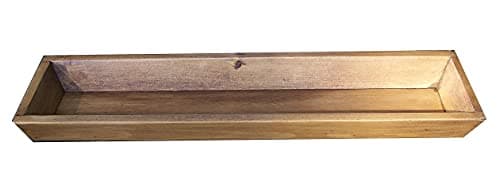
Best home decor gift · Carolina Country 26 in Farmhouse Table Centerpiece Tray
#ad · price as of October 25, 2026
The one thing that transfers between materials
There is exactly one rule that works across every craft on this page: the honest listing states a material and a dimension, and the dishonest one states an adjective. A board listed as premium hardwood is telling you nothing; a board listed as 17 x 13 inch end-grain black walnut is telling you everything. A candle listed as luxury soy blend is hiding the blend ratio; a candle listed as 9 oz coconut and beeswax is not.
That single test will screen out most of the bad listings in every category below, and it costs nothing to apply. Everything after this is material-specific. The buying and care guides take the same approach further, from reading a listing to keeping the object alive once it arrives.
Where each craft actually goes wrong
- Wax
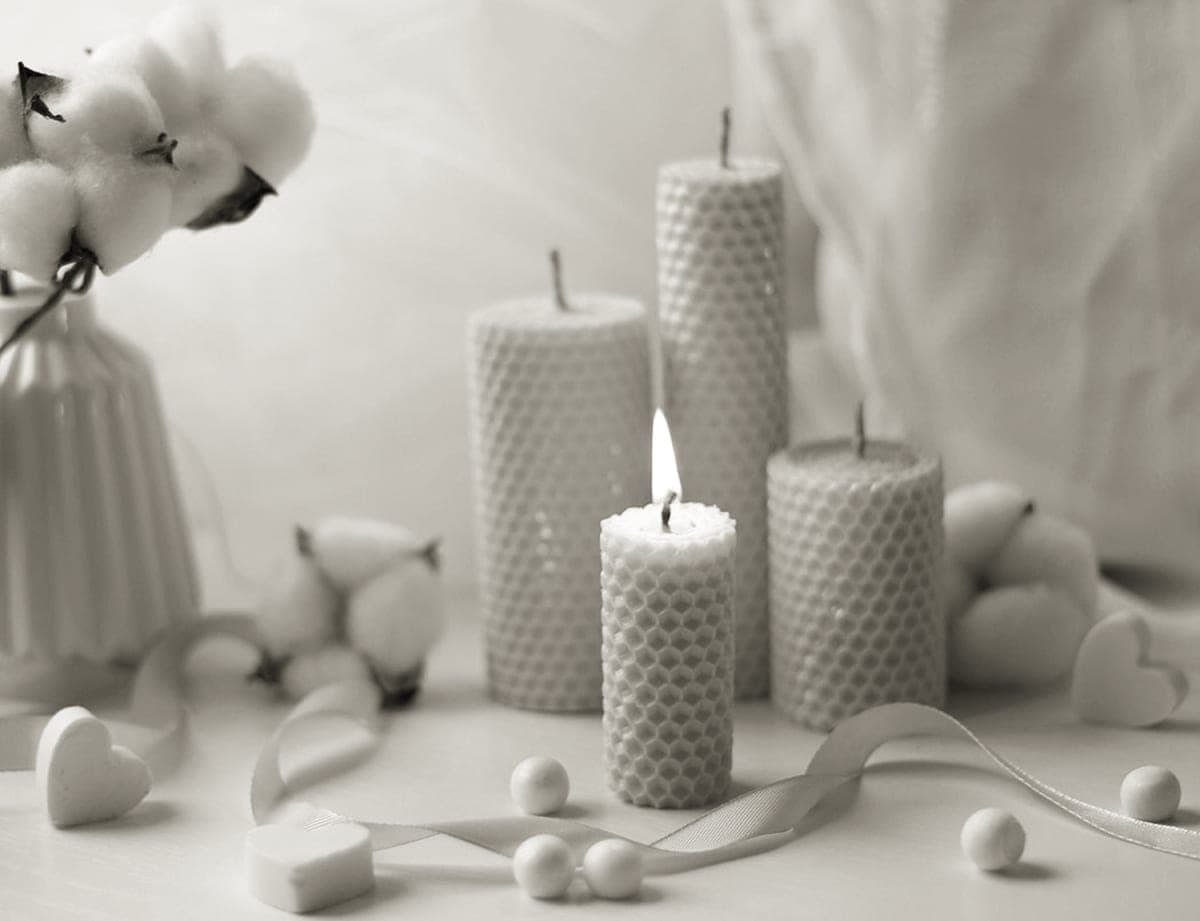
- The wax type and the wick decide everything, and both are cheap to lie about. Beeswax barely holds fragrance, which is why almost every heavily scented candle is soy or paraffin. Start at candles and home fragrance.
- Wood
- Grain direction and species, not finish. End grain is kinder to knives than edge grain and costs more to make; a thin edge-grain board sold as premium is the usual overcharge. Start at woodcraft and boards.
- Clay
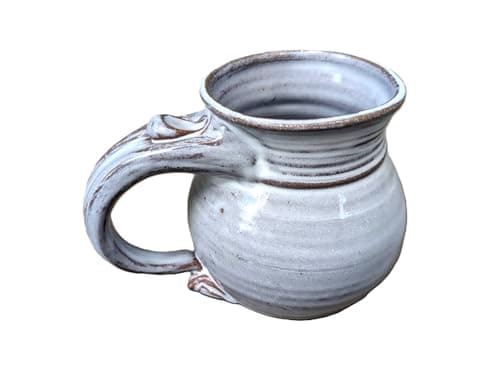
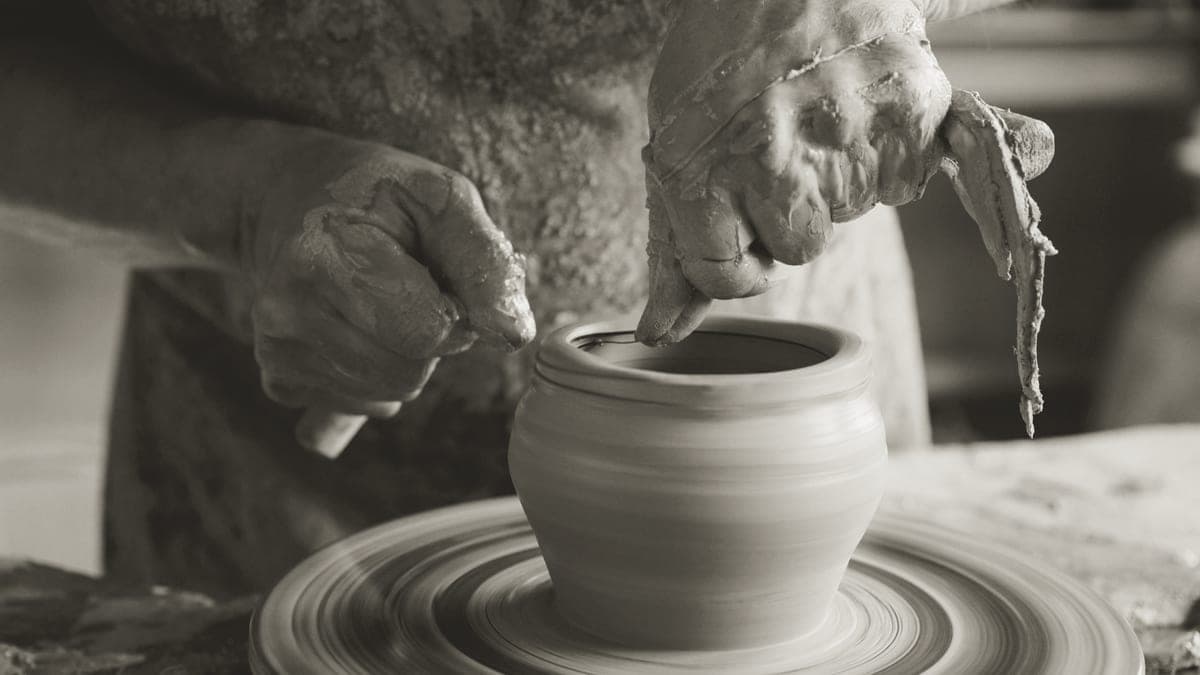
- Whether it is dishwasher and microwave safe, which depends on the glaze rather than the clay. This is the single most common cause of a handmade mug being retired to a shelf. Start at ceramics and pottery.
- Leather
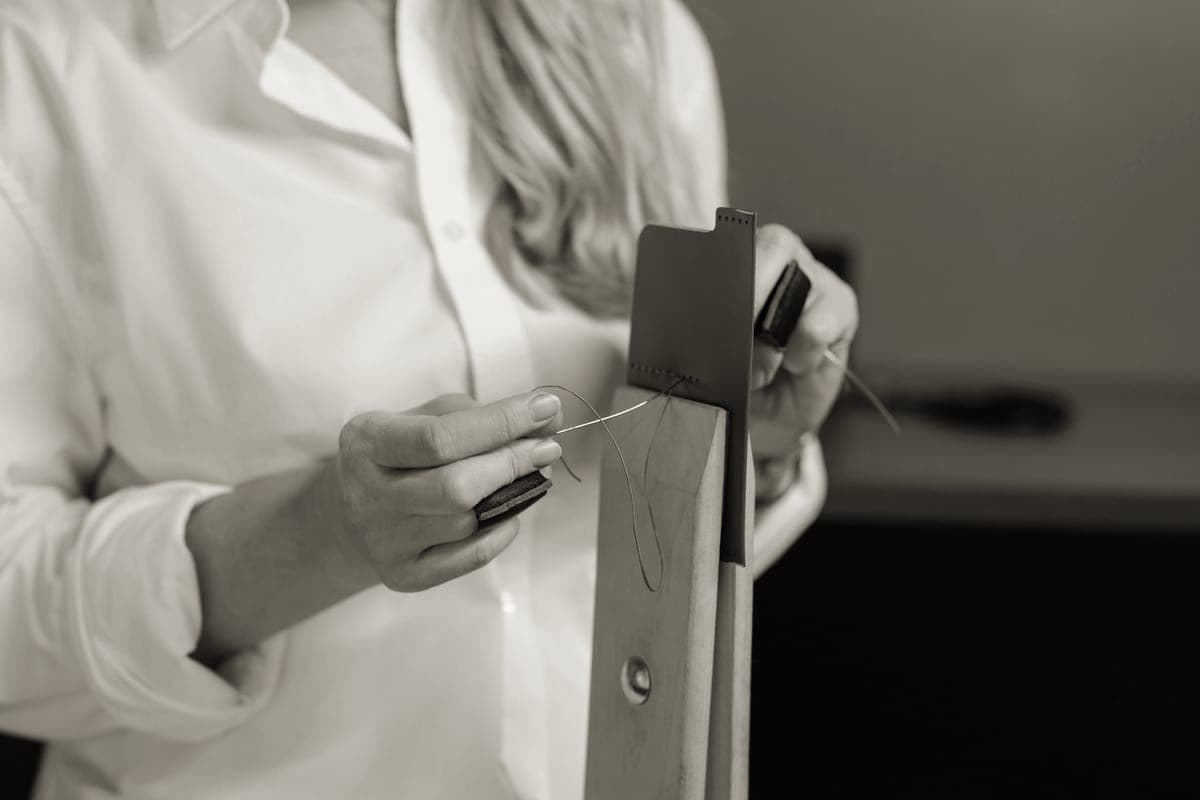
- Grade language is systematically abused. Genuine leather is a grade BELOW top grain, not a quality claim. Start at leather goods, and read leather grades explained before spending real money.
- Fiber
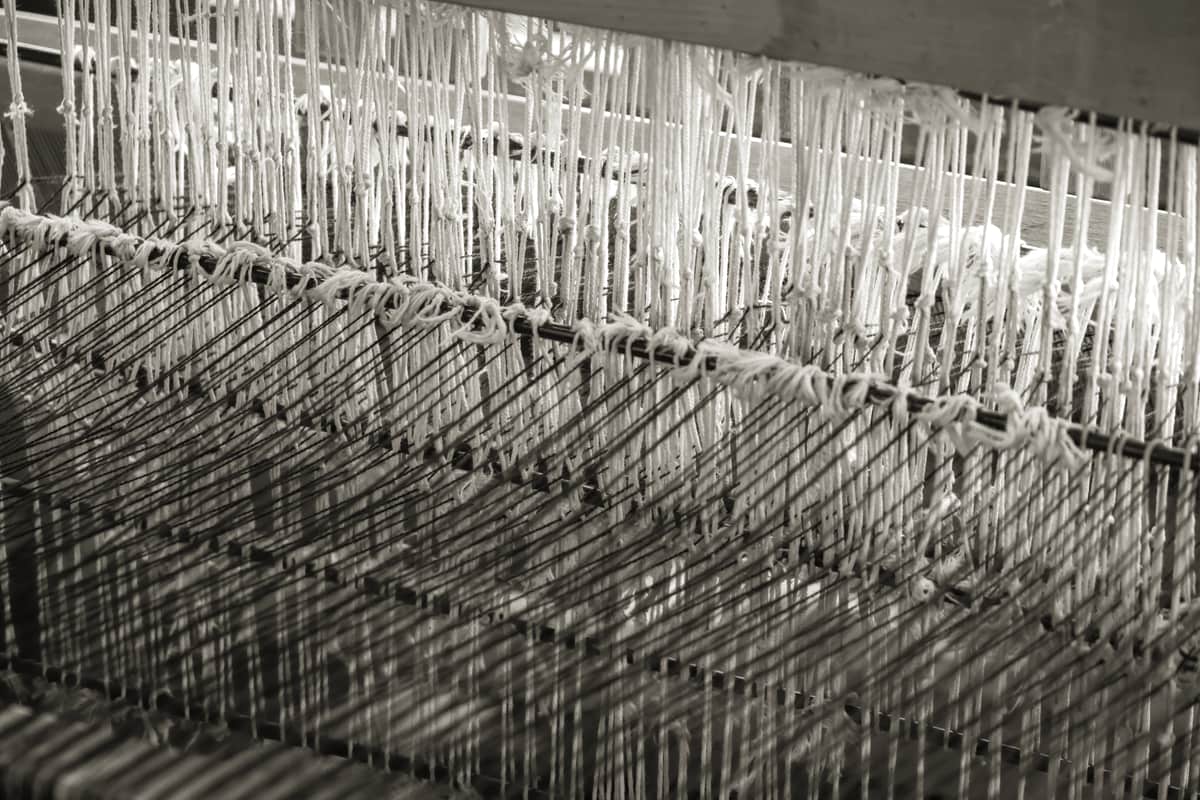
- Whether the pattern is woven in or printed on. A woven piece has the pattern on both faces because it is structural. Start at fiber and textiles.
- Metal
- Sterling silver means 92.5% silver and is a real standard, marked 925. Silver plated and silver tone are not silver in any useful sense. Start at jewelry.
What each craft costs, honestly
The price of a handmade object is mostly labor, which means it tracks how long the thing takes rather than what it is made of. That produces some counterintuitive results: a hand-thrown mug at forty-two dollars is cheap for the hours in it, while a laser-engraved board at seventeen dollars is not really handmade labor at all — it is a machine cutting a pattern into a bought-in blank, which is why it costs what it does.
Neither of those is a scandal. Engraved boards are a legitimate product and we recommend several. But knowing which kind of labor you are paying for is what stops you overpaying for one and underrating the other.
Where Amazon Handmade fits
Most of what we list sits on Amazon Handmade, which is a separate marketplace inside Amazon where sellers are required to make what they sell and mass production is prohibited. It is not perfect and it is not policed as tightly as anyone would like, but it is a real, checkable line, and every product card on this site records which side of it the item sits on. Amazon Handmade explained covers how the marketplace works and where its enforcement is thin.
Where a factory-made item is genuinely the better buy — and in cutting boards, occasionally it is — we list it and we label it. What we will not do is let a mass-produced object sit on a page unmarked next to the handmade ones.