Care
Handmade pottery care
The answer to every microwave and dishwasher question is about the glaze, not the clay — and you can usually work it out yourself.
We earn a commission when you buy through our Amazon links, at no extra cost to you. It never changes the order of the picks, and we say so when the cheaper thing is the better buy. How this works.
The clay is rarely the problem
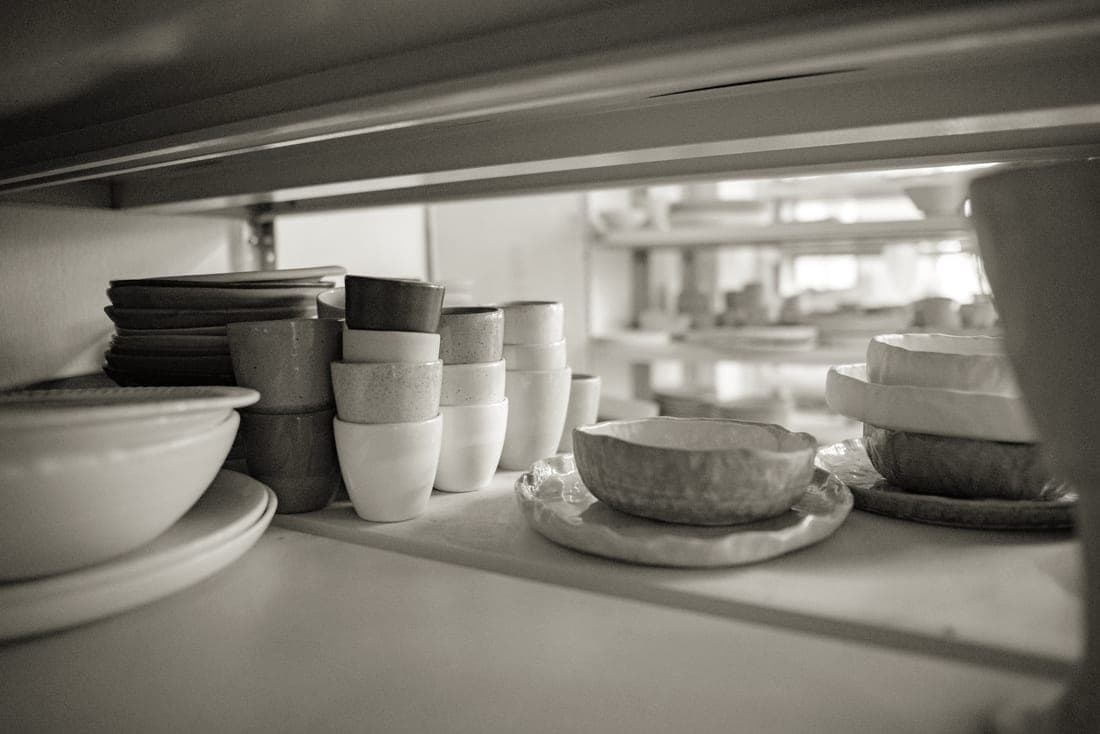
Stoneware fired to maturity is dense, non-porous and thermally robust. It handles a dishwasher, a microwave and usually an oven without complaint. What decides whether a specific piece can do those things is almost always the glaze — the glassy layer fused to the surface in the second firing.
That is why the answer to is this microwave safe is never a general one about pottery. It is a question about the individual piece. How the clay bodies themselves differ is covered in stoneware vs porcelain vs earthenware, and the separate question of what is in the glaze rather than what it will survive is covered in lead-free pottery. Our handmade bowls page repeats each maker's microwave and dishwasher claim per piece for the same reason.
The two rules that cover most cases
Metallic lustre must never go in a microwave. Gold, platinum, copper or any metallic detailing will arc — you will see sparks, and it will damage the piece and possibly the microwave. This is not a caution, it is a hard rule.
Crazed glazes should not go in a dishwasher. Crazing is a fine network of cracks in the glaze surface, sometimes an accident and sometimes a deliberate decorative effect. Those cracks hold water and staining compounds, and repeated dishwasher cycles drive both deeper. Over time a crazed piece darkens along the crack lines permanently.
How to tell if a glaze is crazed
Hold the piece under a light and look at the glazed surface at an angle. Crazing appears as a fine web of hairline cracks, like the surface of old porcelain. It is easier to see on pale glazes than dark ones.
The confirming test: run a fingernail lightly across the surface. A crazed glaze catches slightly. A sound glaze feels continuous. If a piece is deliberately crackle-glazed, the maker will usually say so and will usually tell you to hand wash it.
Thermal shock, which is the other real risk
Pottery cracks from sudden temperature change more readily than from heat itself. A stoneware dish taken from a refrigerator straight into a hot oven can crack, and so can a hot dish set down on a cold wet surface.
The practical rules: let refrigerated pottery come up to room temperature before it goes in a hot oven, start it in a cold oven where possible, and put a hot dish on a wooden board or a cloth rather than a stone counter. None of this applies to a mug of coffee — it applies to ovenware and to large temperature swings.
The quick reference
Decorative versus functional
A meaningful distinction that listings blur. Functional ware is made to be used and glazed with tested food-safe glazes. Decorative ware may use glazes that were never tested for food contact, and a decorative piece re-listed as a serving dish is a real category on marketplaces.
Any potter selling functional ware will state that the glaze is food-safe, because it is the claim that matters and they know it. Where a listing describes a piece as decorative and also suggests using it for food, treat that as decorative and use it for dry things only.
Chips, and what to do about them
A chip through the glaze exposes the clay body underneath, which on stoneware is dense but not glazed. On a rim, that is a comfort issue rather than a safety one. On the inside of a bowl used for wet food, the exposed body will absorb liquid slowly and can stain.
There is no home repair that restores a glaze — it would require re-firing. A chipped functional piece is best retired to dry use: a ring dish, a pen pot, somewhere it will keep being seen. The variation that made it worth buying does not go away because a rim chipped.
Questions people actually ask
Is handmade stoneware dishwasher safe?
Can handmade pottery go in the microwave?
What is crazing?
Why did my pottery crack in the oven?
Read next
Roundup
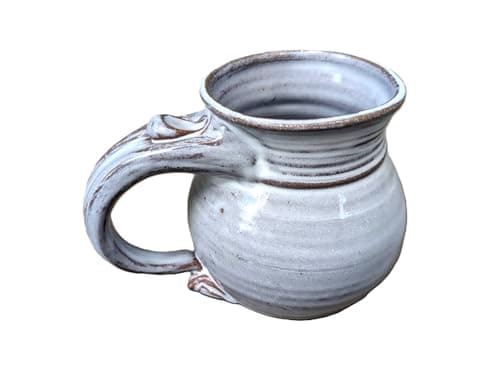
Handmade mugs
Wheel-thrown stoneware from working potters, and how to pick a size.
Roundup
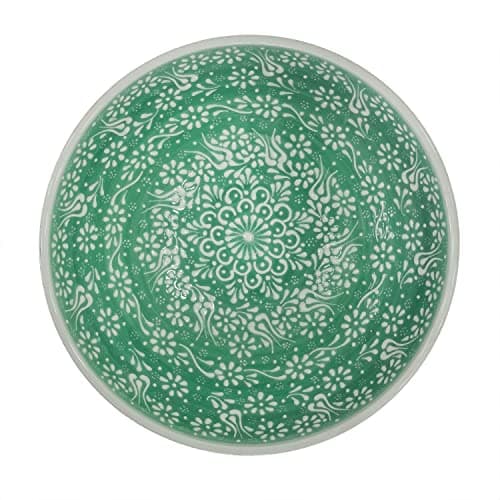
Handmade dinnerware
Serving pieces and accent bowls — how to add pottery without replacing everything.
Roundup
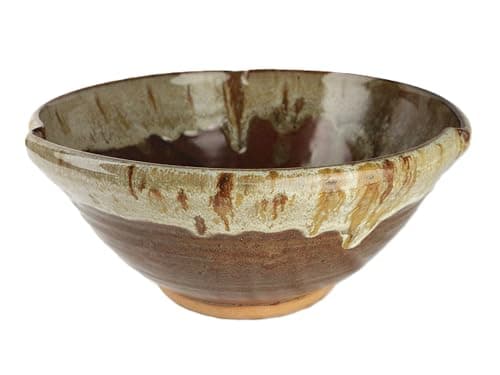
Handmade bowls, from a serving bowl to a chawan
Serving bowls, soup bowls, a matcha chawan and multi-bowl sets from working potters, with the size question settled first.
Ceramics
Ceramics and pottery
Wheel-thrown mugs, dinnerware and vases, and the glaze question that decides it.
Roundup
Handmade vases
Bud vases, statement pieces and planters, sized for real flowers.
For an interest
Handmade gifts for coffee lovers
Mugs, spoon rests and trays — everything the coffee touches after it is made.
For an interest
Handmade gifts for home cooks
The pieces a serious kitchen is missing, not the ones it already has.
Buying handmade
Lead-free pottery, and how to know
FDA's per-piece lead action levels, why a mug is stricter than a plate, and the handmade and antique pieces worth asking about.