Care
Leather care
Leather needs far less maintenance than the internet suggests, and over-conditioning is a real way to ruin a good wallet.
We earn a commission when you buy through our Amazon links, at no extra cost to you. It never changes the order of the picks, and we say so when the cheaper thing is the better buy. How this works.
The short version
Condition it two or three times a year. Keep it out of direct heat. Do not store it folded or compressed. Let it dry naturally if it gets wet. That is essentially the whole routine for a wallet, a belt or a bag in normal use.
Almost everything else you read about leather care is either for restoring neglected antiques or is being sold to you by someone with a conditioner to shift. The one thing this routine does not cover is a brand new piece, which arrives stiff on purpose and needs use rather than treatment — how to break in leather covers that first month and the shortcuts that wreck a hide.
What conditioner actually does
Leather is skin, and it contains oils that keep the fiber structure flexible. Over years those oils migrate out and the leather stiffens and eventually cracks. A conditioner replaces them, which restores flexibility and slows the cracking.
Note what it does not do. It does not clean, it does not waterproof, and it does not repair damage that has already happened. A conditioner applied to a dirty item drives the dirt in. Wipe first with a barely damp cloth, let it dry, then condition. Which bottle to actually buy — and which products will permanently darken pale leather — is leather conditioner.
Over-conditioning is the real risk
This is the mistake nobody warns about. Excess oil softens the fiber structure past the point of usefulness: a wallet loses its shape and sags open, a belt stretches so the hole spacing goes wrong, a bag goes limp and stops standing up.
It is also effectively irreversible — you cannot take oil back out of leather. Two or three times a year is plenty for an item in daily use. A new full-grain wallet needs none at all for its first six months; it has plenty of oil in it and it is busy breaking in.
The three things that actually damage leather
- Heat
- A radiator, a car dashboard, a hairdryer used to speed up drying. Heat drives the oils out fast and leaves the leather hard and brittle. This is the most common way leather is destroyed quickly.
- Standing water and salt
- Water itself is survivable — let it dry naturally, away from heat. What does the damage is water carrying dissolved salt, which crystallizes in the fibers as it dries and leaves permanent white marks. Wipe salt off while it is still wet.
- Compression and folding
- Leather takes a set. A bag stored crushed under other bags keeps the crease; a belt coiled tightly in a drawer holds the curl. Hang belts, stuff bags loosely with paper, store wallets flat.
If it gets soaked
- Blot the surface with a towel. Do not rub, which can mark the finish.
- Stuff a bag or a shoe loosely with paper to hold its shape as it dries.
- Dry it slowly at room temperature, away from any heat source. This may take a day or two, and rushing it is what ruins the item.
- Condition it once it is fully dry, because water leaving the leather takes some oil with it. This is one of the few cases where conditioning is genuinely needed.
Patina, and what not to do about it
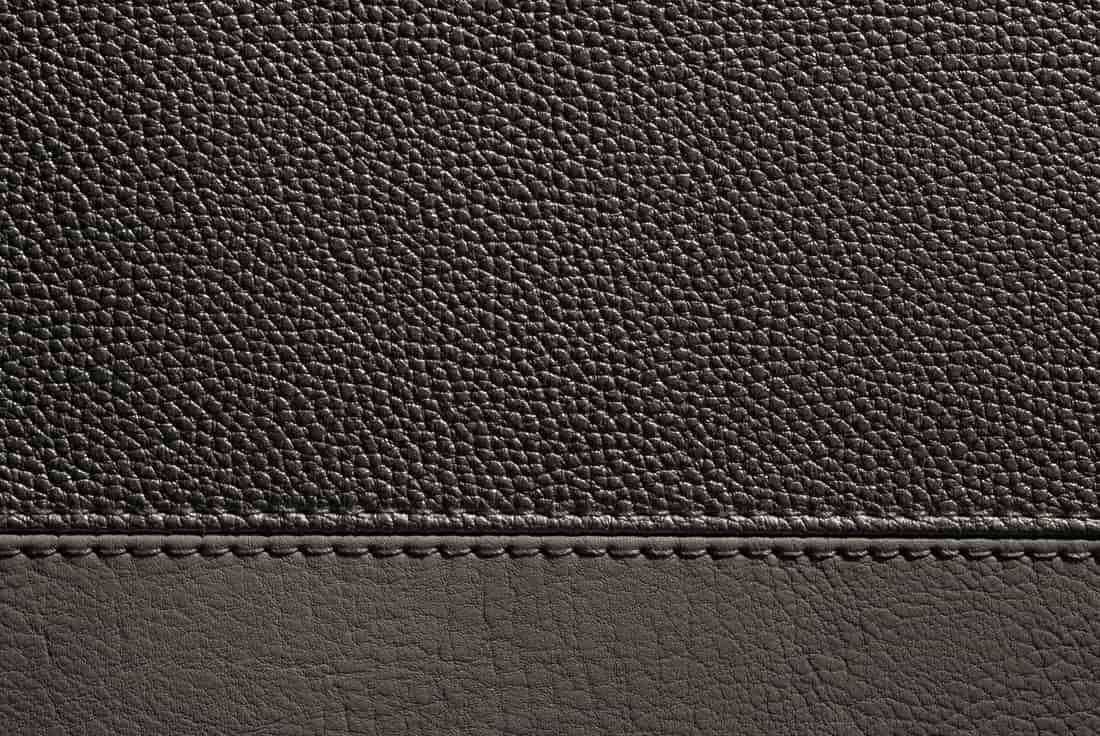
Full-grain leather darkens unevenly over years, developing marks where it is handled most. That is patina, it is the reason people buy full grain, and it cannot be produced by any treatment. It comes from use, light and skin oils over time.
The mistake is trying to accelerate it — with sun exposure, with heavy oiling, with the various rituals that circulate online. Sun fades unevenly and heavy oiling softens the structure. The item you want is the one you get by carrying it for two years and doing almost nothing.
Scratches
On full grain, most light scratches are surface displacement rather than damage, and they buff out. Rub the area firmly with a clean finger — the warmth and pressure often redistributes the fibers enough that the mark disappears. A conditioner rubbed in with a cloth does the same on deeper marks.
On top grain with a sealed finish, scratches go through the coating and cannot be buffed out, because the damage is to the finish rather than to the leather. That is one of the practical differences between the grades, and leather grades explained covers the rest.
Questions people actually ask
How often should I condition leather?
What ruins leather fastest?
What do I do if leather gets soaked?
Can I speed up the patina?
Read next
Buying handmade
Leather grades explained
Four grades, and why one of them is a trap.
Roundup
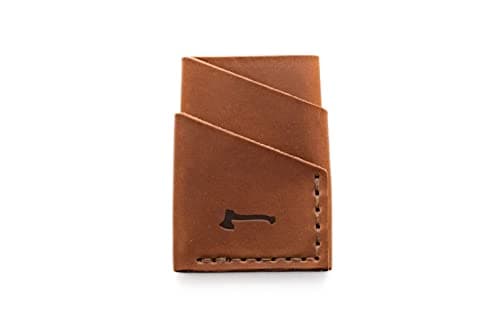
Handmade leather wallets
Full grain and hand-stitched, from slim card holders to conventional bifolds.
Roundup
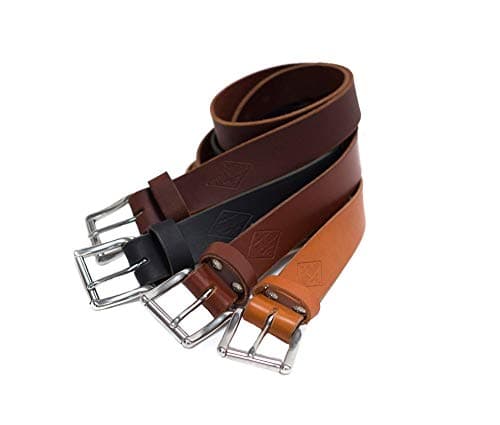
Handmade leather belts
Single-piece belts that do not curl, and how to size one without asking.
Roundup
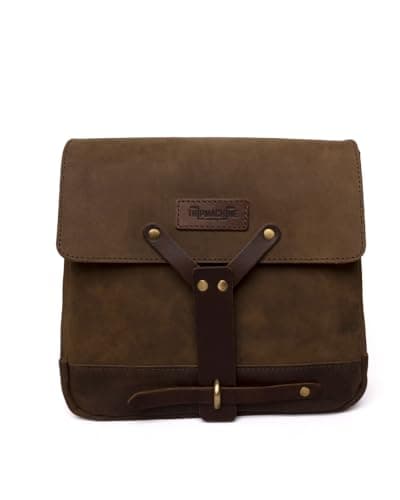
Handmade leather bags
Messengers, slings, totes and the twenty-dollar dopp kit that beats all of them on value.
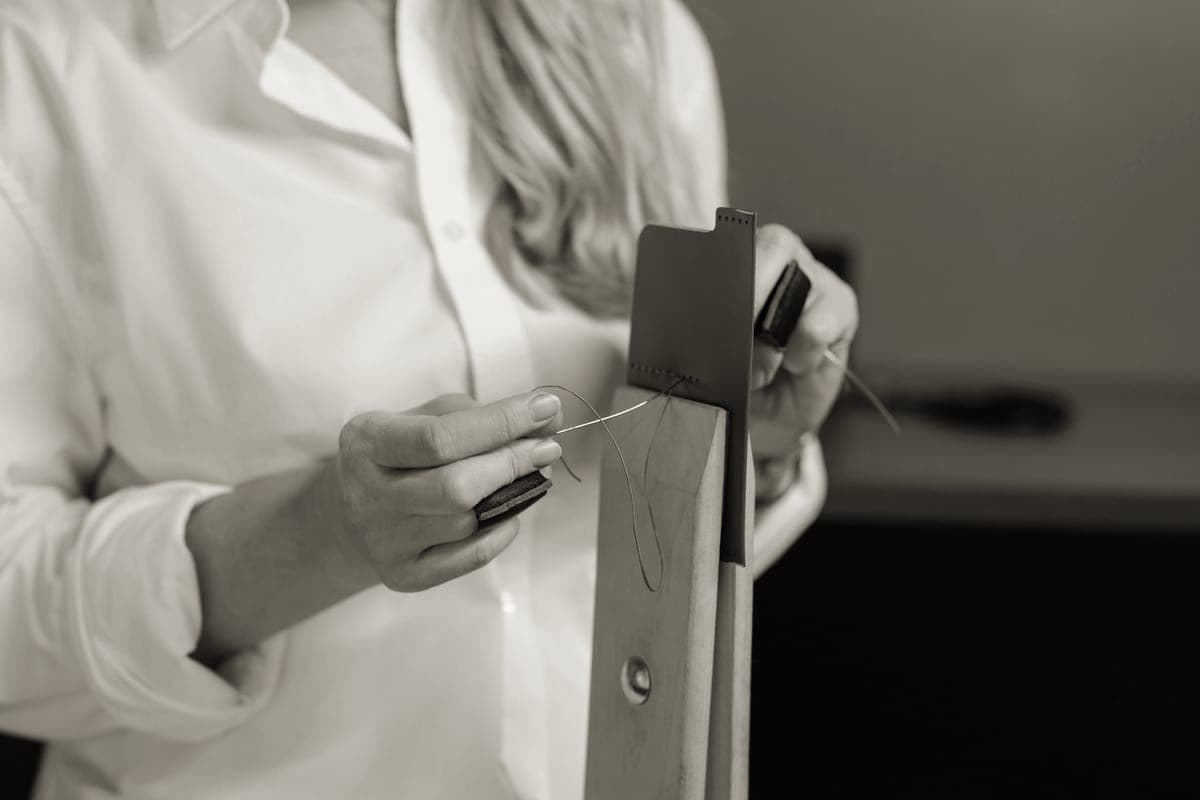
Leather
Handmade leather goods
Full grain, top grain, genuine — one of those words does not mean what it says.
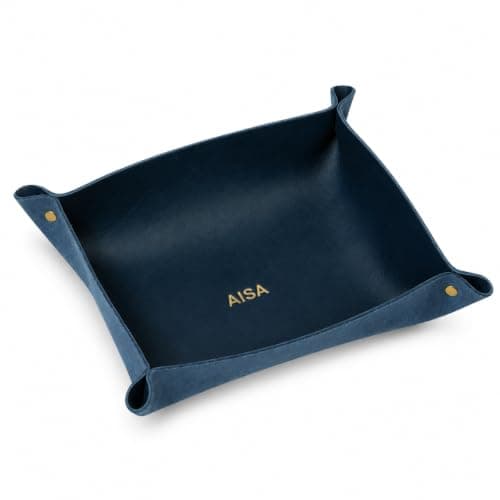
Roundup
Leather valet trays
The safest under-thirty gift there is, and the one that works in bulk.
Caring for handmade
How to break in leather
Why new full-grain is stiff, how long each item takes, and the four shortcuts that permanently damage a hide.