Fiber
Fiber and textiles
The category where the difference between handmade and printed is visible from the back of the piece.
We earn a commission when you buy through our Amazon links, at no extra cost to you. It never changes the order of the picks, and we say so when the cheaper thing is the better buy. How this works.
In this category
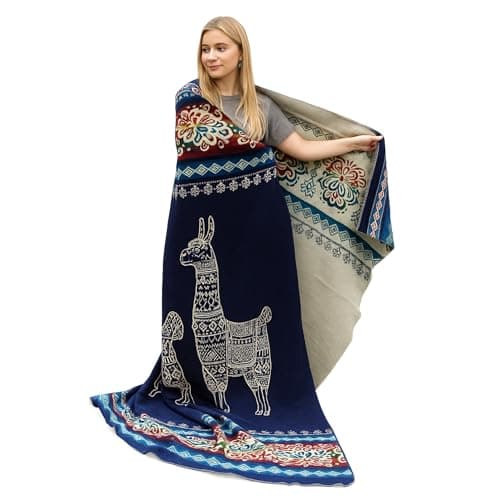
Roundup
Knit blankets and throws
Alpaca and crochet, plus an honest account of what this marketplace does not have.
Best handmade blanket · Tommy Lion Alpaca Wool Blanket, Blue
#ad · price as of October 25, 2026
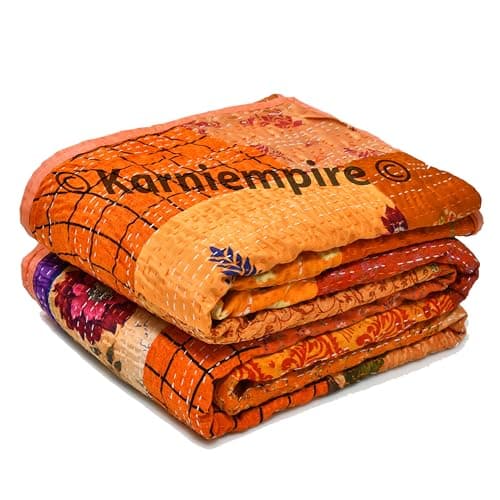
Roundup
Handmade quilts
Kantha, patchwork and one quilted bag — with the printed-coverlet test.
Best handmade quilt · Kantha Patchwork Silk Sari Quilt
#ad · price as of October 25, 2026
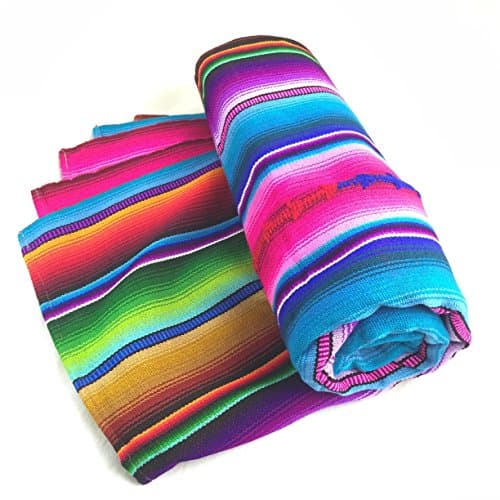
Roundup
Handwoven throws
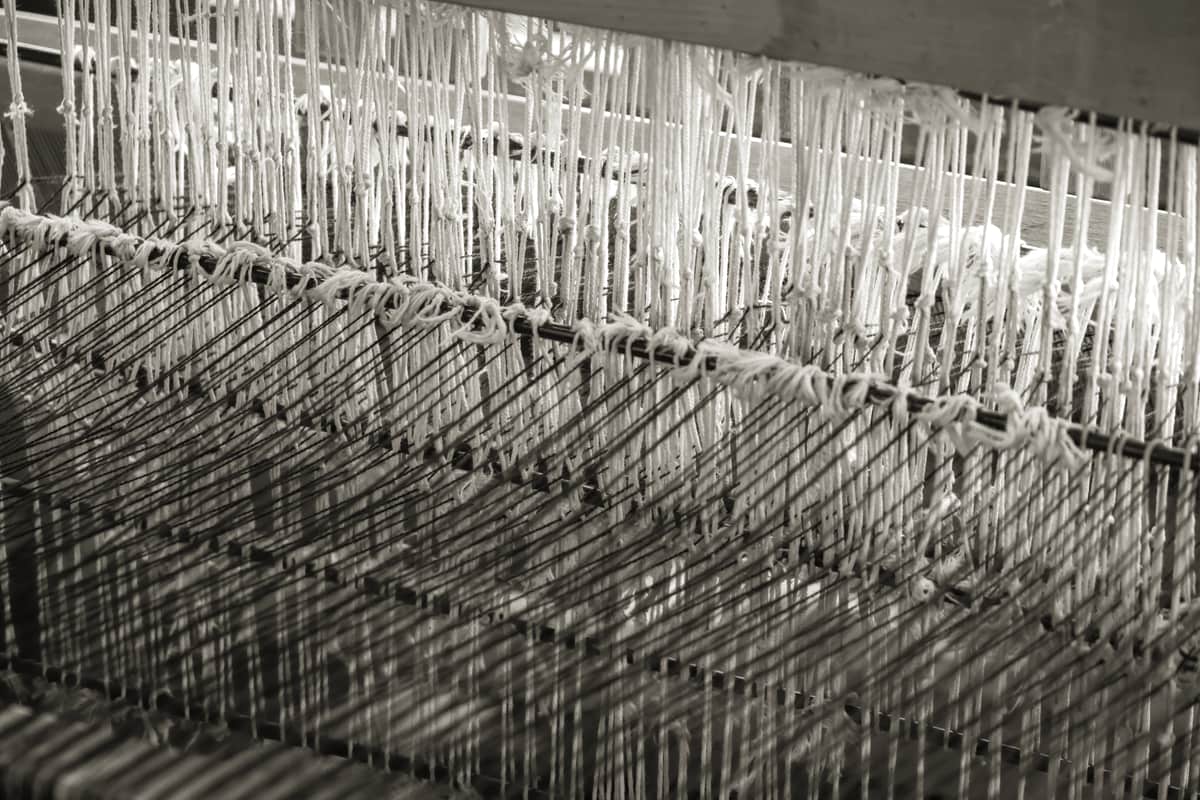
Loom-woven cotton and alpaca, and the back-of-the-fabric test.
Best handwoven throw · Altiplano Handwoven Rainbow Throw
#ad · price as of October 25, 2026
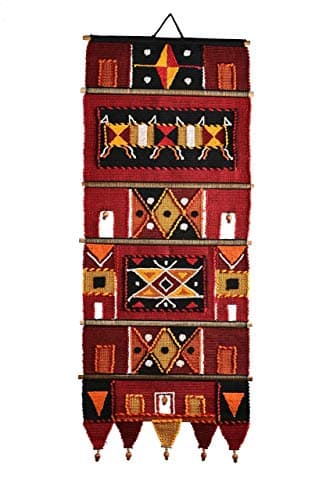
Roundup
Macrame wall hangings
Knotted and woven wall pieces, with the sizing advice that saves the purchase.
Best wall hanging · Varunavi Handwoven Cotton Tapestry, 32 in
#ad · price as of October 25, 2026
The test that settles it: look at the back
On a woven textile the pattern exists on both faces, because the pattern is the structure — it is made of the threads themselves. On a printed textile the back is blank or ghosted. That one check separates a genuinely woven throw from a mill-printed one faster than any amount of listing copy, and it is why the photograph of the reverse side is the most useful image in a fiber listing.
The same logic applies to quilting: a real quilt has visible stitching lines on both faces because the stitching is what holds the layers together. A printed quilt-look coverlet does not.
The one honest gap in this category
Amazon Handmade's coverage of hand-knitted blankets is thin. We searched it directly during the build and found a handful of crochet listings and very little else, while handwoven and quilted goods came back deep. So knit blankets and throws is a shorter page than it would be on a marketplace with better knit coverage, and it says so on the page rather than padding the list with factory throws relabelled as artisan.
Crochet is the exception worth knowing about, and it is a useful one: there is no industrial crochet machine. Every crocheted object on any marketplace was made by a person's hands. That makes crochet the single most reliably handmade thing you can buy in fiber, and it is why the made-to-order crochet pieces we do list are worth their lead time.
Wool, alpaca, cotton
- Alpaca
- Hollow fiber, so warmer than wool for the weight, and no lanolin, so most people who react to wool do not react to it. The most expensive option and the one most likely to still be in use in twenty years.
- Wool
- Warm, resilient, and the fiber most likely to be ruined by a hot wash — heat and agitation felt it permanently. See wool and fiber care before the first wash, not after.
- Cotton
- The year-round option. Lighter, machine washable, and the right choice for a gift going somewhere warm or to a household that will not hand wash anything.
Buying textiles for someone else's room
Textiles are the riskiest handmade gift after candles, for the same reason: they occupy a room you may not have seen. Color is the failure mode. A gray or natural throw is quietly excellent and gets used; a bold striped one is either exactly right or folded into a cupboard within the month.
Our practical rule: if you have stood in the room, buy the color. If you have not, buy the neutral and buy it bigger. Size forgives more than color does — a generous throw in a plain color will be used by anyone.
Macrame and wall pieces
Wall hangings are the one fiber category where the common mistake is dimensional rather than chromatic: people buy a small piece for a large wall. A twenty-inch macrame hanging looks substantial in a listing photograph and disappears above a sofa. Measure the wall, and if the space is large, buy a woven tapestry rather than a beaded macrame — the mass is what makes it work. Macrame wall hangings covers the sizing in detail.