Buying handmade
How to tell if pottery is handmade
Turn it over. The foot, the throwing rings, the handle and the glaze say more than the listing title, and a signature says the most of all.
We earn a commission when you buy through our Amazon links, at no extra cost to you. It never changes the order of the picks, and we say so when the cheaper thing is the better buy. How this works.
Three ways a pot gets made
Almost every ceramic object you can buy was made one of three ways. It was thrown on a potter's wheel, spun and pulled up by hand. It was hand-built from pinched, coiled or rolled slabs of clay. Or it was formed in a mold — either slip-cast, where liquid clay is poured into an absorbent plaster mold and left until a wall builds up, or jiggered, where a spinning mold and a template press soft clay into shape. Jiggering is how plates, cups and bowls are mass-produced on a mechanized wheel.
Molds are not a mark of dishonesty. Slip casting is used by individual potters for one-off work as well as by industry, and a small-studio cast piece can be lovely. But a molded piece is not thrown, and a listing that says hand-thrown should mean it. Everything below is about telling those apart from the object, or from good photographs of it. The other thing worth reading off a listing is what is in the glaze rather than how the pot was formed — lead-free pottery has the limits and the pieces that deserve suspicion.
Turn it over: the foot
The foot is the unglazed ring the pot stands on, and it is where a thrown piece usually gives itself away. After throwing, a potter typically turns the piece upside down on the wheel and trims the base with a tool, which leaves concentric tool marks and a foot ring that varies slightly in width. Many potters also sign, stamp or mark the base there.
A molded piece tends to have a base that is perfectly regular and smooth, because the mold made it rather than a tool. Neither observation is conclusive on its own — some potters sand their feet smooth, and some molds are made to look trimmed — but a trimmed, signed foot is the strongest single piece of evidence a pot can carry.
Throwing rings and walls
Run a finger up the inside of a thrown mug or bowl and you will often feel faint spiral ridges — throwing rings, left by the potter's fingers as the clay was pulled up. Some potters smooth them away and some leave them on purpose. Thrown walls also vary a little in thickness from base to rim, and two thrown pieces sold as a pair will differ slightly in height and weight.
Slip-cast ware tends toward the opposite: uniform wall thickness, sometimes very thin, and a very smooth exterior. Look for seam lines where the parts of the mold met — a faint vertical line down the side, or along the length of a handle. A mold seam is the clearest sign that a piece was cast, and it often shows in close-up photographs.
Handles and glaze
A thrown mug's handle is usually pulled — drawn out from a lump of clay by hand — and then attached, which often leaves a small thumb mark or a smoothed joint where it meets the body. Molded handles tend to be identical from mug to mug and can carry a seam line of their own.
Glaze is harder to read. A running or pooling glaze that looks different on every piece is good evidence of kiln variation, and the turquoise mug on this page is an example of exactly that. But even glaze is also what a skilled potter works hard to achieve across a set, so treat glaze as supporting evidence rather than proof in either direction.
What does not prove anything
- Imperfection. Factory ware can be designed to look irregular, with deliberate drips and wobbles. A wobble alone is decoration, not evidence.
- Words in the title. Artisan, rustic and handcrafted cost nothing to type. Spotting resold mass production covers the listing signals that do mean something.
- Hand-painted. A factory blank can be painted by hand. That is real handwork on the decoration, but the pot itself may still be molded.
- Price alone. A very low price is a warning sign for thrown work, but a high price is not a guarantee.
What the evidence looks like on a listing
Online, you are reading photographs rather than holding the pot, so a good listing does the turning-over for you. The makers worth buying from name the method (wheel-thrown, hand-built), name the clay body, photograph the foot, and say plainly that pieces vary. Some go further. The vase below is signed on the base by the potter, and the small-bowl set in our stoneware vs porcelain comparison comes with a note that every set is thrown and glazed individually, so the colors will not match the photo exactly. That kind of note is a feature: a factory has no reason to warn you.
The four pieces below each carry at least one of those signals, stated on the listing rather than implied, and every card also says whether it sits on Amazon Handmade.
Every pick below is on Amazon Handmade unless the card says otherwise, and every price is the live one. If you want the rules we apply before anything gets listed, they are on how we pick.
What we would buy on that basis
Quick picks
| # | Product | Best for | Provenance | Price |
|---|---|---|---|---|
| 01 | 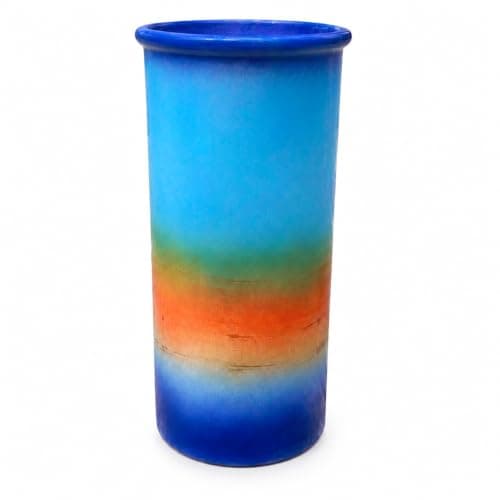 Signed Ocean Blue Studio Vase, 9 in Individually signed by the potter, nine inches, made in the USA. | a wedding gift where you want the maker name on the base | Amazon Handmade | $67.00Amazon (affiliate link) |
| 02 | 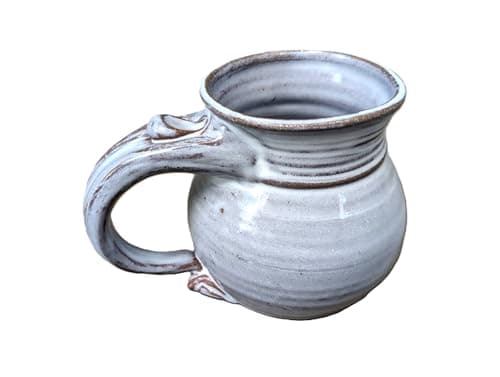 Hand-Thrown Pottery Mug in Shale Thrown on a wheel in North Carolina, and the throwing rings are still visible. | the person who has a favorite mug and defends it | Amazon Handmade | $42.00Amazon (affiliate link) |
| 03 | 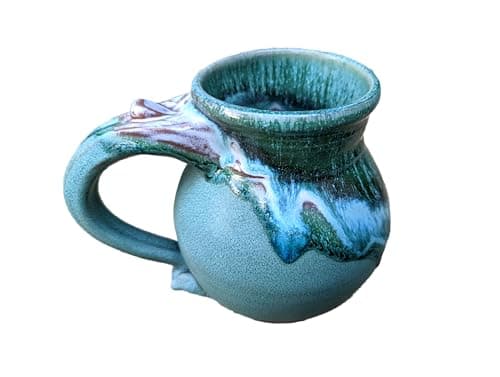 Turquoise Falls Hand-Thrown Mug A running turquoise glaze that pools differently on every piece. | a kitchen with color in it | Amazon Handmade | $42.00Amazon (affiliate link) |
| 04 | 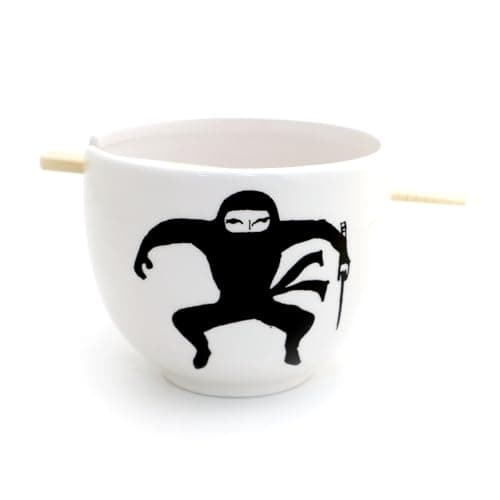 Lennymud Chopstick Ramen Bowl A ramen bowl with a chopstick rest built into the rim, from a named maker. | someone who eats noodles more than twice a week | Amazon Handmade | $24.00Amazon (affiliate link) |
#ad · Live prices from the Amazon Creators API, as of October 25, 2026. Where we hold no verified live price we show none — a gap beats a number that has rotted.
The picks, in full
Signed Ocean Blue Studio Vase, 9 in
For a vase with the potter's signature on the base. Individually signed by the potter, nine inches, made in the USA.
A signature on the foot is the clearest provenance evidence a ceramic can carry: it means one identifiable person made this specific pot and put their name on it. That is the thing a factory cannot copy. At sixty-seven dollars it is the right price for a gift that has to be taken seriously without being extravagant.
Price as of October 25, 2026. Prices move, and the one on Amazon is the one that counts.
#ad we may earn a commission from this link to Signed Ocean Blue Studio Vase, 9 in
Hand-Thrown Pottery Mug in Shale
by North Carolina pottery
For throwing rings you can feel under your fingers. Thrown on a wheel in North Carolina, and the throwing rings are still visible.
A wheel-thrown mug is asymmetric in the way a hand is asymmetric: the walls vary slightly in thickness, the handle is pulled rather than molded, and you can feel the rings under your fingers. That is the whole difference between this and a mug from a supermarket, and it is the difference people notice every single morning. Shale is a muted gray-brown glaze that goes with everything.
Price as of October 25, 2026. Prices move, and the one on Amazon is the one that counts.
#ad we may earn a commission from this link to Hand-Thrown Pottery Mug in Shale
Turquoise Falls Hand-Thrown Mug
by North Carolina pottery
For a running glaze that pools differently on every piece. A running turquoise glaze that pools differently on every piece.
A falls glaze is one that moves in the kiln: it runs down the form and pools where it catches, so the pattern is decided by gravity and heat rather than by the maker hand. That makes each mug genuinely unique in a way most handmade claims are not. Buy it if their kitchen can take a strong blue-green.
Price as of October 25, 2026. Prices move, and the one on Amazon is the one that counts.
#ad we may earn a commission from this link to Turquoise Falls Hand-Thrown Mug
Lennymud Chopstick Ramen Bowl
by Lennymud by Lorrie Veasey
For a bowl from a potter named on the listing. A ramen bowl with a chopstick rest built into the rim, from a named maker.
The chopstick notch is a small piece of thinking that changes how the bowl is used: the sticks stay out of the broth and off the table. Made by an identifiable potter rather than anonymously, which is the second thing we look for after the marketplace itself. Under twenty-five dollars.
Price as of October 25, 2026. Prices move, and the one on Amazon is the one that counts.
#ad we may earn a commission from this link to Lennymud Chopstick Ramen Bowl
Why it matters for a gift
A thrown pot takes skilled time at the wheel, trimming, usually two firings and a real failure rate, and its price reflects that. When you pay for that, you should get it. Knowing how to read the foot and the walls means you can tell whether you did — and it means the person who receives the mug can turn it over and find a signature rather than a sticker.
What handmade actually means covers the wider question across every craft, the handmade mugs and handmade vases roundups apply these checks to specific pieces, and handmade pottery care covers what to do once it arrives.
Questions people actually ask
How can you tell if pottery is handmade?
What are throwing rings?
Is slip-cast pottery handmade?
Does a signature mean a pot is handmade?
Sources
Read next
Roundup
Handmade mugs
Wheel-thrown stoneware from working potters, and how to pick a size.
Roundup
Handmade vases
Bud vases, statement pieces and planters, sized for real flowers.
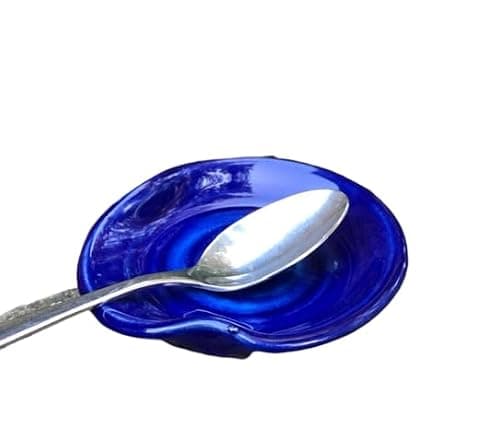
Comparison
Stoneware vs porcelain vs earthenware
How the three clay bodies differ in strength, porosity and care, and which one a handmade gift should be.
Buying handmade
Spotting resold mass production
A nine-point checklist you can run on any listing in a minute.
Buying handmade
What handmade actually means
No legal definition exists — here is what the word covers in practice.
Care
Handmade pottery care
Microwave, oven and dishwasher — answered per glaze rather than in general.
Ceramics
Ceramics and pottery
Wheel-thrown mugs, dinnerware and vases, and the glaze question that decides it.
Buying handmade
Lead-free pottery, and how to know
FDA's per-piece lead action levels, why a mug is stricter than a plate, and the handmade and antique pieces worth asking about.